WEATHER-RESPONSIVE HOME PROTECTION
BASEMENT WATERPROOFING SOLUTIONS FOR HEAVY RAIN & SEASONAL WEATHER
Heavy rain, storms, melting snow, and saturated soil can reveal basement water problems quickly. The right Basement Waterproofing Solutions help manage water where it enters and direct it safely away from the home before seasonal moisture becomes a recurring problem.
HEAVY RAIN
Groundwater Pressure
Extended rainfall can saturate the soil around a foundation and increase the amount of water attempting to enter through vulnerable basement areas.
SNOWMELT
Seasonal Water Influx
As accumulated snow melts, large amounts of water can enter the soil around the home in a relatively short period and expose existing drainage weaknesses.
FREEZING WEATHER
Discharge Protection
Cold weather creates another challenge because exterior sump discharge lines need protection from freezing or blockage.
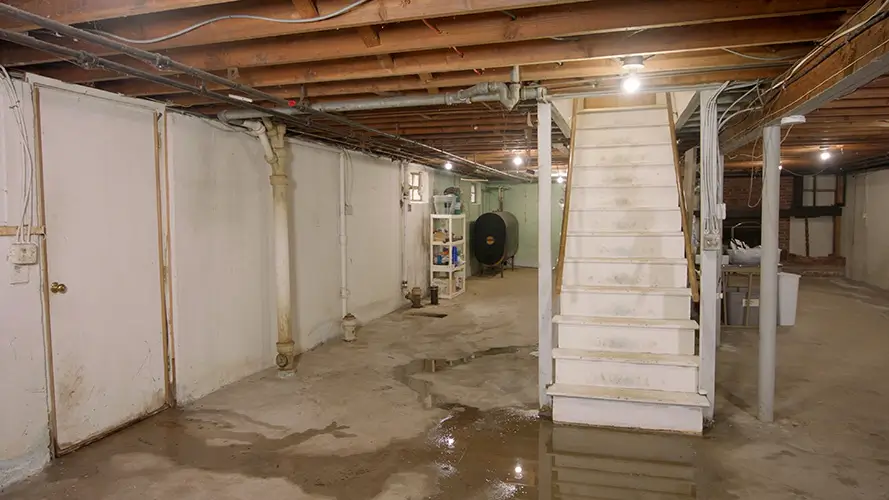
WHEN WEATHER REVEALS THE PROBLEM
Why Basements Leak During Heavy Rain
A basement may appear dry during normal conditions and then develop water problems when a strong storm arrives. Heavy or prolonged rainfall can saturate the soil surrounding the foundation, increasing the amount of groundwater around basement walls and floors.
Water may then appear around the wall-floor joint, through foundation cracks, or in other vulnerable areas. When that happens repeatedly during storms, it is a strong indication that the basement needs a permanent water-management strategy rather than temporary cleanup. Homeowners dealing with recurring storm-related water can also review DBS Repair’s basement flooding solutions for common entry points and system options.
Professional Basement Waterproofing Solutions can be designed to capture incoming water, manage moisture, and direct water safely away from the home.
WATCH FOR THESE CLUES
Signs Weather Is Affecting Your Basement
Water After Storms
Puddles or seepage that repeatedly appear during or shortly after rain are strong indicators of a water-management problem.
Damp Walls
Visible dampness, staining, or moisture along basement walls can indicate water moving through porous masonry or cracks.
Musty Odors
Persistent basement moisture can contribute to high humidity, musty odors, mold, and deterioration of moisture-sensitive materials.
Floor-Joint Seepage
Water entering where the foundation wall meets the basement floor is another common location where groundwater problems become visible.
MANAGE WATER AT THE PERIMETER
WaterGuard® Captures Water Before It Pools
One of the core components DBS uses for basement waterproofing is the WaterGuard® interior drainage system. It is installed around the basement perimeter to capture water entering around the walls and wall-floor joint.
Instead of allowing that water to spread across the basement floor, the drainage system channels it toward the home’s sump pump system, where it can be pumped outside and away from the foundation.
This creates an important distinction: waterproofing is not simply covering visible water stains. A complete system needs a reliable way to collect, manage, and discharge incoming water.
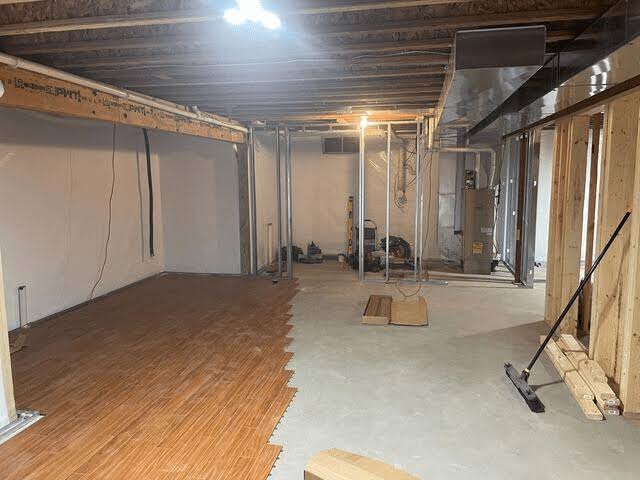
MORE THAN A SINGLE PRODUCT
Building a Basement Waterproofing System Around the Home
DRAINAGE
WaterGuard®
Collects water around the basement perimeter and directs it toward the sump system before it can spread across the floor.
PUMPING
TripleSafe™
The TripleSafe™ system uses multiple pumps to provide additional pumping capacity and backup protection when basement water demands increase.
WALL PROTECTION
CleanSpace®
CleanSpace® provides a durable wall barrier that directs moisture toward the drainage system while creating a cleaner, brighter basement surface.

PREPARE FOR THE NEXT STORM
Weather-Responsive Waterproofing Is About Long-Term Protection
A waterproofing system should not only respond to the water visible today. It should be designed around how water behaves during the conditions that place the greatest demand on the home heavy rain, storms, saturated ground, snowmelt, and freezing temperatures.
By combining interior drainage, wall protection, sump pump systems, and exterior discharge protection when needed, water can follow a controlled path from the point where it enters to the point where it is safely discharged outside.
The goal is a basement that is better prepared for changing seasonal conditions instead of requiring temporary cleanup every time the weather changes.
COLD-WEATHER PROTECTION
What Happens When the Sump Discharge Line Freezes?
Basement waterproofing in Minnesota and Wisconsin also needs to account for freezing weather. Exterior sump discharge lines can become blocked by ice or snow, which is why cold-weather discharge protection can be an important part of a complete basement waterproofing system.
DON’T WAIT FOR THE NEXT DOWNPOUR
Protect Your Basement Before Weather Exposes the Problem Again
If water appears in your basement every time it rains heavily, the weather may be exposing a drainage or moisture problem that already exists around the foundation.
DBS Repair provides basement waterproofing throughout Minnesota and Wisconsin. A professional inspection can identify where water is entering, evaluate the existing drainage and sump system, and determine which Basement Waterproofing Solutions are appropriate for the home.
After Heavy Rain, Check For:
✓ Water along the basement perimeter
✓ Damp or discolored foundation walls
✓ Water entering through cracks
✓ Moisture at the wall-floor joint
✓ Musty basement odors
✓ A sump pump running continuously
✓ New puddles or wet flooring
WHAT HOMEOWNERS ARE SAYING
Basement Waterproofing Homeowner Reviews
[rbr_collection id=633]

