Insulation by Area of the Home
DBS Repair provides home insulation solutions for attics, crawl spaces, floors, walls, and basements throughout Minnesota and Wisconsin. Our team identifies where conditioned air is escaping and combines insulation with targeted air sealing to improve comfort, reduce drafts, and help homes perform better through cold winters and warm summers.
Home Insulation Solutions for Every Part of the House
Insulation works best when the entire home is treated as one system. DBS Repair evaluates the attic, crawl space, floors, walls, basement, and major air-leak areas to identify where energy is being lost. Depending on the home, the right solution may include air sealing, rigid foam, spray foam, dense-pack cellulose, or a combination of materials designed for the specific area.
This whole-home approach helps improve comfort, reduce cold floors and drafts, and support more consistent indoor temperatures across Minnesota and Wisconsin.
Attic Insulation
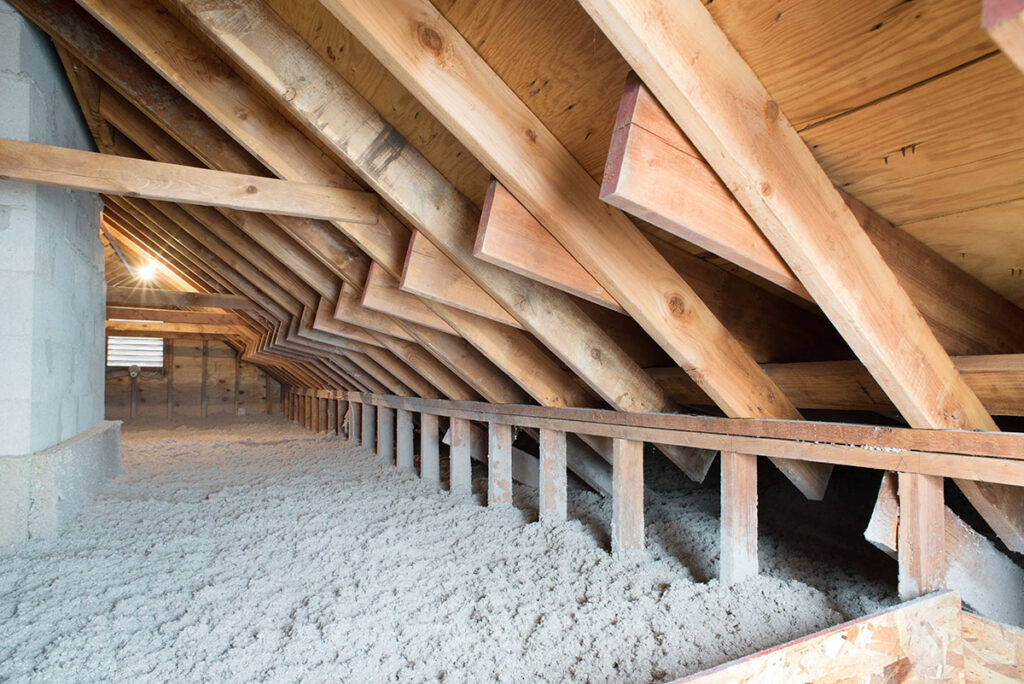
Attics are one of the most important areas to address when improving home insulation. Warm conditioned air rises and escapes through gaps around recessed lights, ductwork, plumbing penetrations, and attic access points. That is why DBS Repair pairs attic insulation with air sealing instead of simply adding more material over existing leaks.
The SuperAttic™ system uses SilverGlo™ rigid foam panels to create a continuous insulated barrier beneath roof rafters and along gable ends while maintaining roof ventilation. Combined with proper air sealing, this home insulation solution can improve year-round comfort and help reduce conditions that contribute to ice dams.
SilverGlo™ Rigid Foam
Graphite-infused panels with a built-in radiant barrier, the core of the SuperAttic™ system; will not absorb moisture, shrink, or lose R-value.
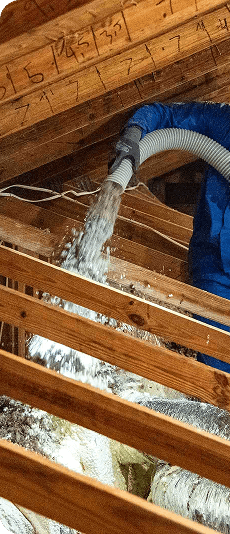
Blown-in Cellulose
A cost-effective way to add R-value over an attic floor, best paired with air sealing so it can perform.
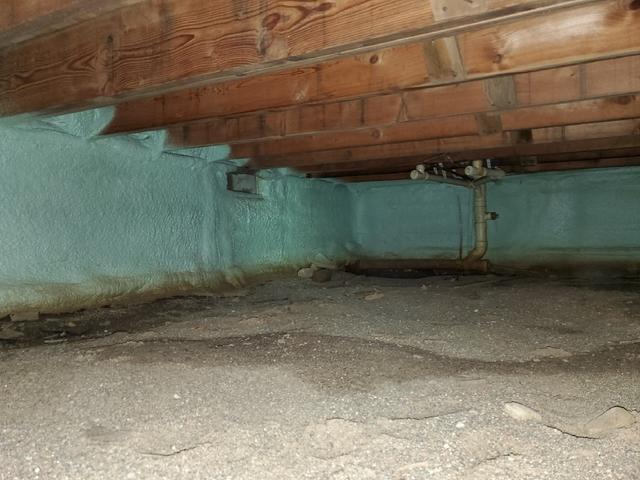
Spray Foam & Denim Batts
Closed-cell spray foam air seals hard-to-reach areas; denim batts offer an alternative batt material for specific spots.
Crawl Space Insulation
Crawl spaces can have a major effect on comfort above them. Cold ground, outside air, and moisture can leave first-floor rooms uncomfortable and cause traditional fiberglass batts to sag, compress, or lose performance. DBS Repair uses moisture-resistant insulation strategies designed specifically for crawl space conditions.
DBS Repair installs rigid foam against crawl space foundation walls and seals panel joints to reduce air leakage and heat loss. When moisture is also present, insulation can be coordinated with crawl space encapsulation so the space is addressed as one system.
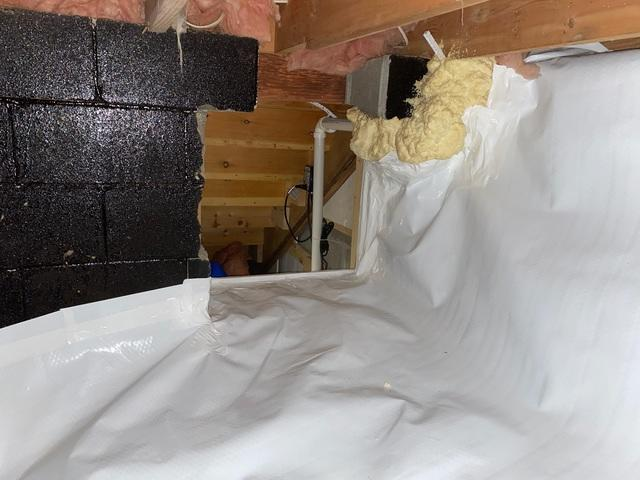
SilverGlo™ Rigid Foam (Walls)
Panels cut to fit against the interior foundation walls and taped at the joints to air seal and insulate without absorbing moisture.
TerraBlock™ (Floor)
Flexible rigid foam faced both sides with durable vinyl, installs over rough floors with excellent puncture and abrasion resistance.
Moisture- & Mold-Proof
Neither product absorbs water or feeds mold, so the crawl space stays dry, clean, and comfortable to work in.

Floor Insulation
Cold floors are often a sign that insulation or air sealing below the living space is incomplete. Home insulation solutions for floors may involve insulating the crawl space or basement walls below, sealing rim joists, or insulating individual joist bays when access or construction conditions require it.
When possible, the best fix is to insulate the crawl space or basement walls below, turning that space into a conditioned area that warms the floors above. When that is not possible, DBS Repair insulates the joist bays under the floor, paying special attention to the leak-prone rim joists.
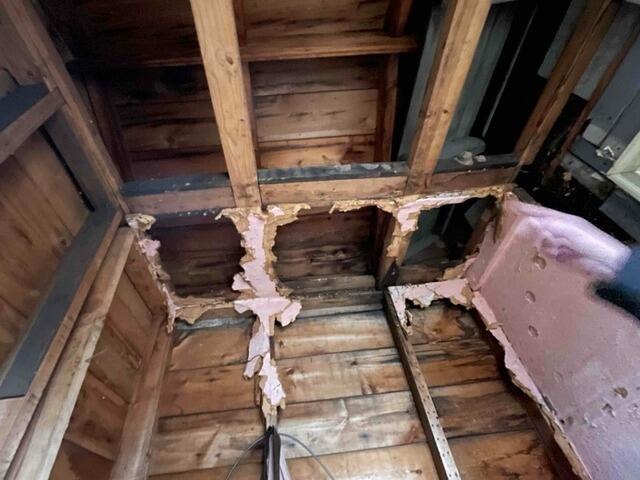
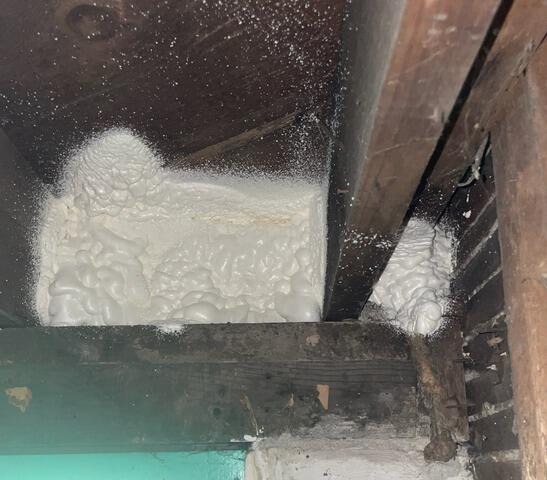
Closed-Cell Spray Foam
Seals air leaks and insulates joist bays at once, keeping the floor from losing heat to a cold basement or crawl space.
Rigid Foam Board
Moisture-proof boards for joist bays and rim joists that will not compress, sag, or lose R-value over time.
Dense-Pack Cellulose
Packs tightly into the floor structure above a garage, turning cold floors into a thing of the past.
Wall Insulation
Wall insulation can become a priority when cavities are empty, unevenly filled, or under-insulated. During a free inspection, DBS Repair evaluates accessible wall areas along with the attic, basement, crawl space, and air-leak locations so improvements are recommended where they can make the biggest difference.
Walls are easy to insulate before drywall goes up, while studs are exposed. For finished walls, the proven technique is to drill access holes near the top of the wall and blow cellulose, often dense-packed Tru-Soft™, into the empty stud cavities.
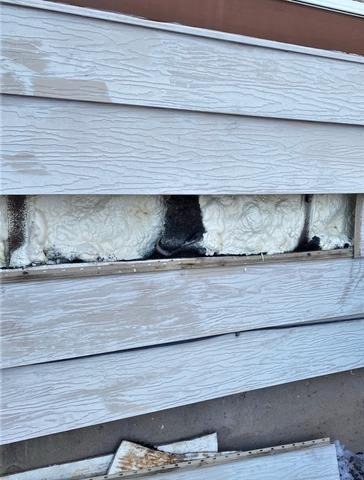
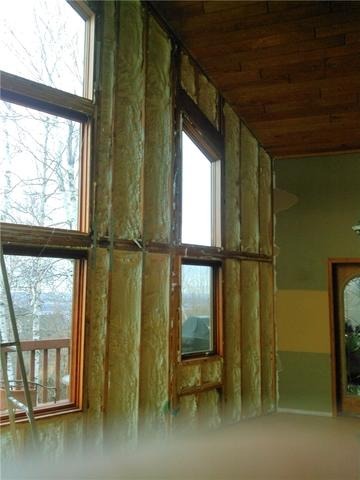
Dense-Pack Cellulose
Tru-Soft™ cellulose packed tightly into stud cavities through small access holes, ideal for finished walls without tearing them open.
Foam & Rigid Foam
Foam wall insulation and rigid foam board for open walls and specialty assemblies that need air sealing plus high R-value.
Void-Free Results
DBS eliminates the gaps and wire-compressed spots that leave fiberglass walls underperforming.
See the Hidden Benefits of Basement Insulation
See how basement insulation can help reduce cold surfaces, drafts, and heat loss while creating a more comfortable lower level of the home.
▶ Watch on YouTube
Basement Insulation
Basement insulation can help reduce cold surfaces, drafts, and heat loss at the lowest level of the home. Instead of relying only on fiberglass batts in the ceiling, DBS Repair looks at rim joists, foundation walls, floors, and air leaks to create a more complete home insulation solution for the basement.
For the walls, DBS recommends Basement to Beautiful® rigid foam panels, sized for typical basement walls with built-in wiring channels and integral steel flanges for attaching wallboard. For cold floors, ThermalDry® Insulated Floor Decking™ cannot be damaged by moisture, unlike wood subflooring.

FAQs | Home Insulation Solutions
What areas of a home should be insulated?
Attics, crawl spaces, basement walls, floors, rim joists, and exterior walls can all contribute to heat loss, drafts, and uneven temperatures when insulation is missing or underperforming.
How do I know if my home needs more insulation?
Common signs include high energy bills, cold floors, drafty rooms, uneven temperatures, ice dams, and insulation that has settled, compressed, or been damaged by moisture.
Is air sealing important when adding insulation?
Yes. Air sealing helps reduce uncontrolled airflow through gaps and penetrations so insulation can perform more effectively and indoor temperatures can remain more consistent.
Does DBS Repair provide home insulation solutions in Minnesota and Wisconsin?
Yes. DBS Repair provides home insulation and energy-efficiency solutions throughout its service areas in Minnesota and Wisconsin.
Find Where Your Home Is Losing Comfort and Energy
DBS Repair provides home insulation solutions throughout Minnesota and Wisconsin, including Duluth, Minneapolis, Eau Claire, Maple Grove, Saint Cloud, and Eden Prairie. A free inspection helps identify the attic, crawl space, floor, wall, basement, and air-leak areas that should be prioritized for better comfort and efficiency.
Home Insulation
Reviews
your neighbors are talking about us…
DBS Repair has been keeping attics, basements, crawl spaces, and walls warm in winter and cool in summer with home insulation across Minnesota and Wisconsin,
from Duluth to Eau Claire, for nearly 15 years!
See what your neighbors have been saying about DBS Repair’s
home insulation services.


Thumbs Up forIntegrity



Find Your Service Area
Enter your ZIP code to see which service page is right for your area.


