Crawl Space Problems
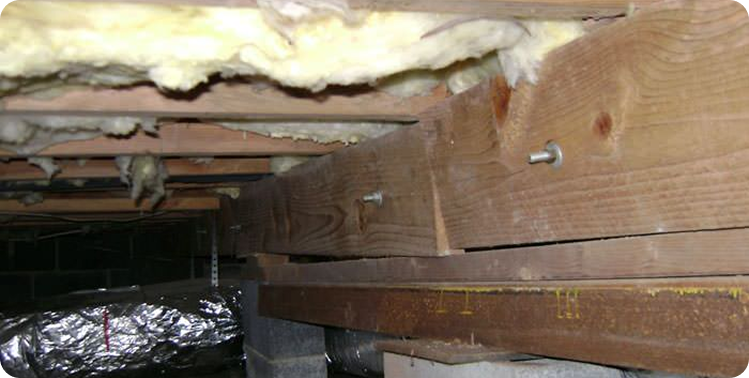
Is Your Crawl Space Causing Problems in Your Home?
Most homeowners don’t realize crawl space issues are behind the symptoms they see inside, sagging floors, musty odors, cold rooms, and wall cracks. Learn to identify the warning signs before they become major repairs.
At DBS Repair, we inspect crawl spaces throughout Minnesota and Wisconsin every day. The problems listed below are the most common issues we find, each one gets worse over time if left unaddressed. If you’re seeing any of these signs, a free inspection is the best first step.
Sagging or Soft Floors
What causes it
When support beams in the crawl space sink into the ground or floor joists are weakened by mold and wood rot, the floor above loses structural support and begins to sag. This is one of the most common, and most underestimated crawl space problems.
Warning signs
- Floors that bounce or flex when you walk
- Visible dips or uneven areas in flooring
- Creaking sounds that weren’t there before
- Gaps forming between floor and baseboard
Why it gets worse
Moisture accelerates wood rot and weakens joists progressively. A floor that bounces today can become structurally unsafe within months if moisture in the crawl space isn’t addressed.
Mold in Crawl Spaces
What causes it
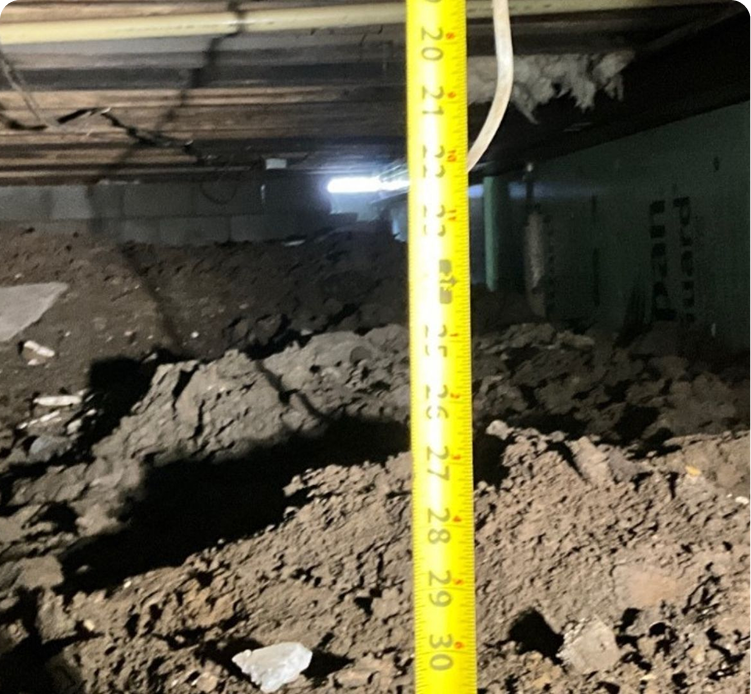
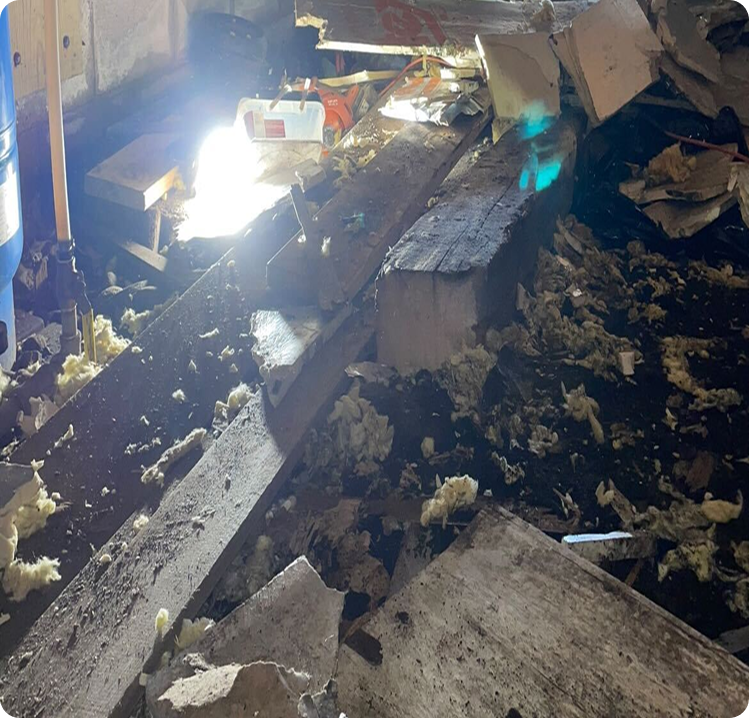
Mold grows wherever moisture and organic material meet. Crawl spaces provide the perfect environment: wood framing, soil, and humidity. Once mold takes hold, it spreads to floor joists and insulation and the spores travel up into your living space through the “stack effect.”
Warning signs
- Musty smell throughout the house
- Increased allergy or asthma symptoms in family members
- Visible black or white patches on joists or insulation
- Insulation that appears wet, discolored, or falling down
Health risk
Studies show up to 50% of the air in your home comes from the crawl space. Mold spores circulating through your living areas can trigger respiratory issues, worsen allergies, and affect sleep quality, especially in children and the elderly.

High Humidity Under the House
What causes it
Open crawl space vents pull moist outdoor air inside. As warm, humid air contacts the cooler surfaces of your crawl space, it condenses, leaving moisture on joists, insulation, and the vapor barrier (if one exists). In Minnesota and Wisconsin, freeze-thaw cycles make this even more pronounced.
Warning signs
- Condensation on pipes, ducts, or floor joists
- Humidity levels above 60% measured in the crawl space
- Rust on metal components or nails
- Wood that feels soft or spongy to the touch
Why it matters
High humidity is the root cause of most other crawl space problems, it feeds mold, accelerates wood rot, attracts pests, and degrades insulation. Controlling humidity is the single most effective preventive measure for long-term crawl space health.
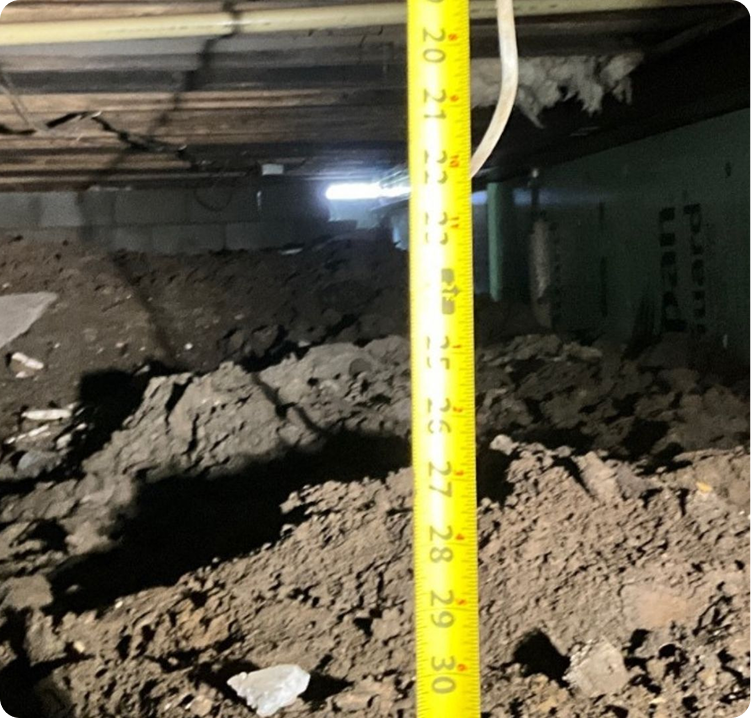
Cold Floors in Winter
What causes it
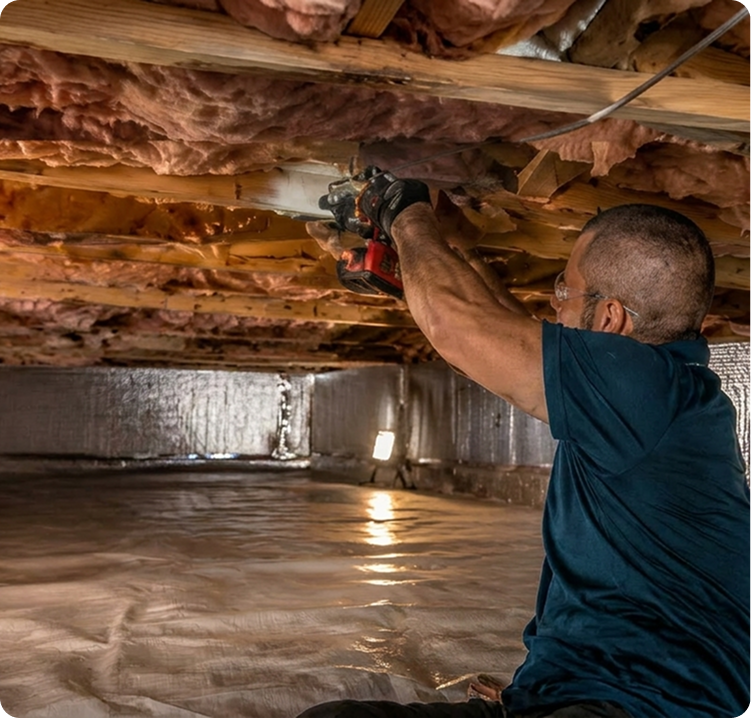
An uninsulated or under-insulated crawl space allows cold air to sit directly beneath your floors. In Minnesota and Wisconsin winters, this means cold air from the ground and outside enters the crawl space freely, and the floor above acts as a direct conductor of that cold into your living space.
Warning signs
- Floors that are noticeably colder than the rest of the home
- Heating system running constantly without adequate results
- Energy bills that spike in winter more than expected
- Pipes in the crawl space freezing during cold snaps
Energy impact
Proper crawl space insulation can reduce heating costs by up to 20% in cold climates. An uninsulated floor assembly loses heat continuously making your HVAC system work harder and shortening its lifespan.
Crawl Spaces: you won’t believe what we find under homes!
Standing Water Under the House
What causes it
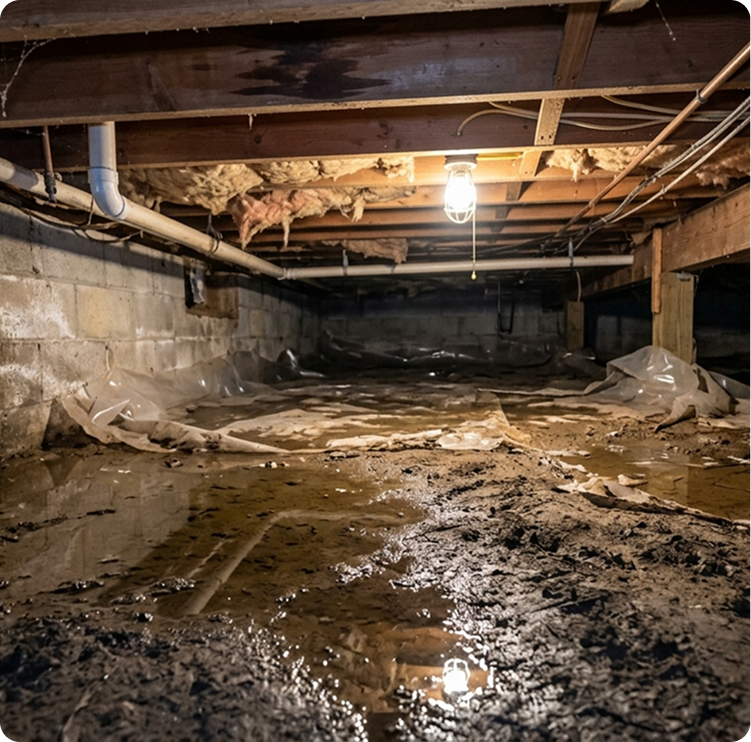
Water enters crawl spaces through several paths: hydrostatic pressure through the foundation walls, rain and surface runoff pooling against the foundation, rising groundwater during wet seasons, or plumbing leaks. Once water sits in the crawl space, it creates an ideal environment for every other problem on this list.
Warning signs
- Visible pooling or standing water on the crawl space floor
- Efflorescence (white mineral staining) on foundation walls
- Wet or saturated soil beneath the vapor barrier
- Persistent musty smell that worsens after rain
Why it matters
Standing water can begin to damage structural wood within 24–48 hours. Within weeks, mold colonies establish, insulation degrades, and metal components begin corroding. This is one of the few crawl space problems where urgency is measured in days, not months.
Thumbs Up forIntegrity



Crawl Space Repair
Homeowner Reviews
your neighbors are talking about us…
DBS Repair has been waterproofing and repairing
crawl sapces across Minnesota and Wisconsin, from
Duluth to Eau Claire, for nearly 15 years!
See what your neighbors have
been saying about DBS Repair’s
crawl space services in their homes.



Find Your Service Area
Enter your ZIP code to see which service page is right for your area.


