Foundation Repair Problems
what are the most common FOUNDATION problems IN Minnesota and Wisconsin?
At first glance, a small crack in your foundation might not look like much, but it is an indication that something is impacting the stability and structure of your home. When you notice cracks, shifting, bowing, or other changes in your foundation, your next step should be to get it inspected.
Taking foundation issues seriously from the start gives you the opportunity to fix them, permanently, before they become a bigger, more serious, and costly problem.
Foundations old and new can experience damage from expanding and shrinking soil, settlement, frost, and other forces. If you’re seeing signs of foundation issues, contact us at DBS Repair. We’ll send a highly trained Design Specialist to do a free, complete inspection, address any concerns you have, and provide you with options to solve your foundation issues – giving you peace of mind that your home is healthy, safe, and comfortable.
Our local team of experts has a deep understanding of the unique environmental issues impacting homes in Minnesota and Wisconsin and will design a solution that will stand the test of time – backed by an up to 75-year transferable warranty.
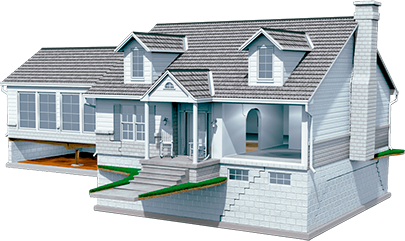
Common Foundation Problems
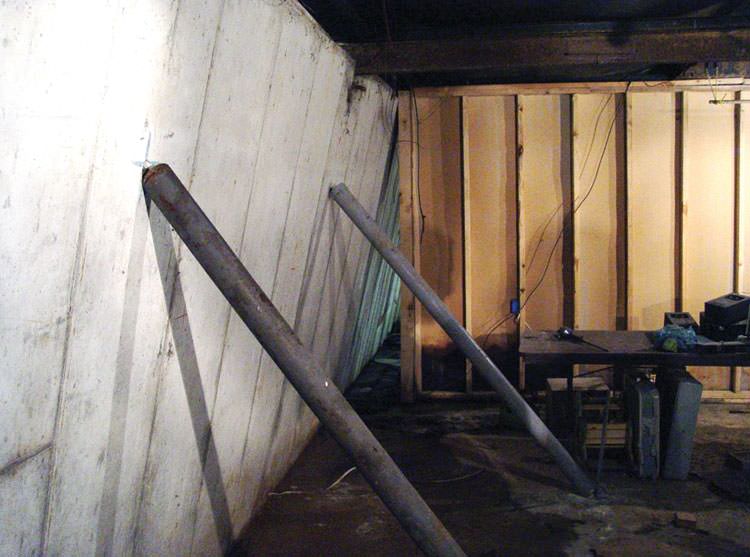
Bowing Walls
Foundation walls begin to bow and buckle when outside pressure on the wall become greater than the wall’s strength. As the wall begins to fail under the pressure, cracks will form, and the wall will either buckle inwards in the middle, tilt inwards at the top, or slide in at the bottom.
Settling Foundation
The soil underneath your home has settled in many different layers, each with their own characteristics and bearing strength. When these soil layers are unable to bear the weight of your home on top of them, the foundation can begin to sink and settle into the earth.
Sagging Crawl Spaces
The floor over a crawl space can sink or sag due to one of three factors: improperly spaced supports, sinking supports, or due to mold and rot damage. When crawl spaces experience structural damage, the symptoms are evident through the entire house. Cracks form in drywall, floors sink, and interior doors jam.
Foundation Wall Cracks
Foundation wall cracks occur for different reasons. Minor “hairline” cracks occur naturally as concrete cures, and don’t indicate a structural problem. Larger structural cracks are most commonly caused by either foundation settlement or expansive soils pressing on the foundation walls. Cracks in a foundation wall usually accompany a number of other problems in a home, such as tilting chimneys, jamming windows and doors, and cracks in drywall surfaces.
Floor Cracks
Concrete floors form cracks as they either sink into the soil or are heaved upwards by it. Foundation settlement can also lead to significant floor cracks. In addition to cracking and creating an uneven floor surface, a sinking or heaving foundation floor can also damage partition walls. And while the symptoms are similar, these are very different problems.
Uneven Floors
Uneven floors can create a number of problems for a homeowner, including jamming doors, nonfunctional door locks, and cracks forming in drywall. However, there is potentially a much more serious issue. If the uneven floor is above a crawl space, there may be rotted framing in the floor, or a problem with the post-and-beam framework that supports the floor joists. An uneven floor slab could be caused by sinking or heaving of the foundation floor because of settling or expansive soils.
Heaving Foundation
Foundations, slab floors, and concrete exterior stairs heave when the soil underneath them expands. Sometimes frost heaving is the cause, causing wet soil to expand as it freezes. Other times, soil rich in silt and clay expands as it becomes saturated with moisture. Heaving foundations typically lead to cracks on drywall and on the slab floor of a home. Exterior walls may also show cracks.
Sticking Windows and Doors
If a foundation issue is causing your home’s windows and doors to stick or jam, then it’s a safe bet to say the problem is some form of settlement. Foundation contractors will often install piers to correct settlement problems, stabilizing the structure and often even restoring it to its original position. If your windows and doors are sticking above a crawl space, the fault may lie in the central post-and-beam support system rather than in the perimeter walls.
Tilting Chimneys
One of the most alarming foundation issues a homeowner faces is a chimney that begins to tilt or lean away from the house.
The footing or foundation for a chimney is sometimes built separately from the house foundation. This smaller foundation is susceptible to shifting if it’s built on soil with poor load-bearing capacity. Shifting and leaning can also occur if the chimney foundation is too small or too close to the surface.

Settling Foundation
Identifying Foundation Settlement Issues
Signs of a settling foundation can be very subtle at first — many homeowners can go months or even years before noticing a crack in their foundation. The long-term damage from foundation settlement, however, is ongoing and will lead to more severe foundation problems.
Signs Of Foundation Settlement
As a foundation settles, many telltale signs will become evident. What follows are some of the most common ways that foundation settlement can become visible to the homeowner.
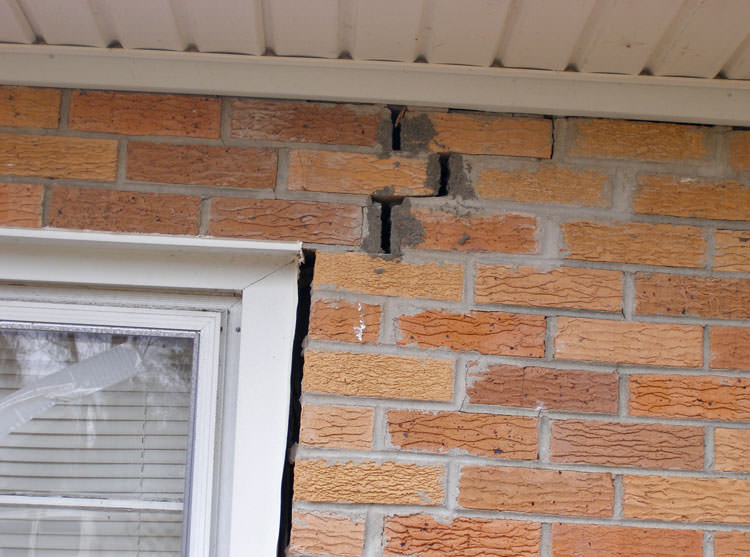
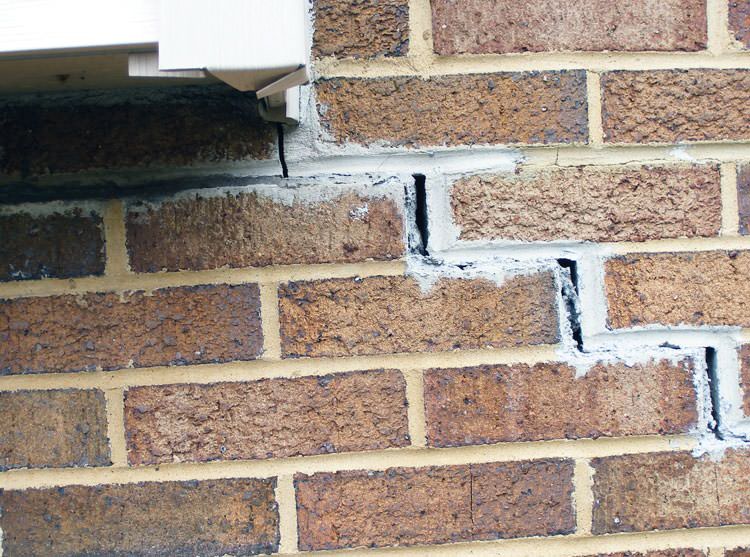
Stair-Step Cracking
Stair-step cracking is one of the surest signs of foundation settlement and is very common in brick in concrete block walls.
As the settlement continues, vertical cracks may widen or become uneven as wall sections tilt away from each other, indicating more severe displacement.
Keep an eye out for cracks that are wider at the top than at the bottom, as this is a sign of advancing settlement.
Tilting Chimneys
Tilting chimneys that are separating from the home are one of the most intimidating and dramatic signs of a settling foundation.
Sometimes a chimney is built on a footing that is not connected to the house foundation, making it even more at risk of settlement.
Damaged Doors & Windows
An opening cut in any wall is a weak point, so signs of foundation settlement often show up around door and window openings located above settlement areas.
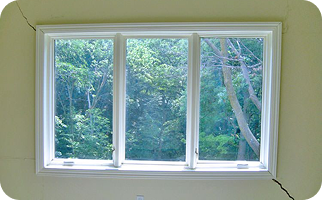
Doors and windows frames may be racked out of square. Cracks may extend from the corners above doors and windows. Doors may separate from the framing or exterior finish. Other signs of foundation settlement include sticking, jamming doors and windows and locks that stop working.
Slab Floor Cracking
Cracks in your concrete floor slab can be a sign of foundation settlement, but they may also be a sign that the slab floor alone has settled.
There are times when your slab floor may sink or lift independently of the foundation walls, damaging the floors but not necessarily the walls.
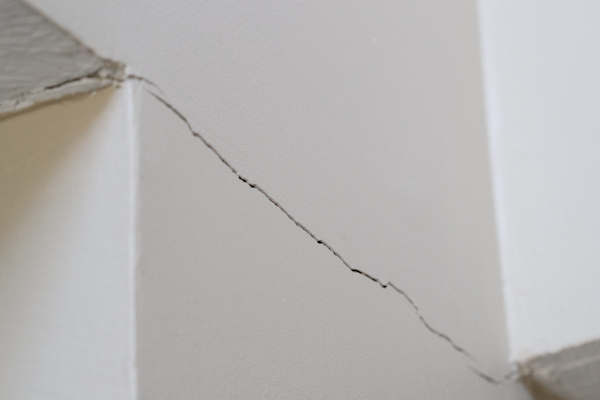
Drywall Cracks
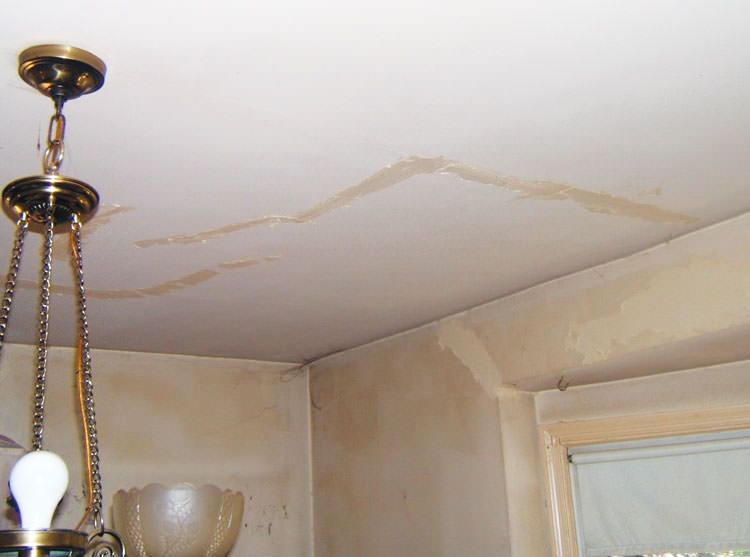
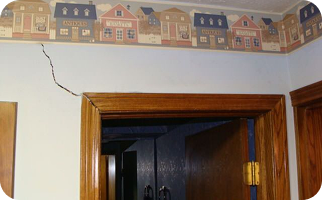
Cracks in drywall throughout the house are reliable indicators of foundation settlement. Cracks will often be larger and more obvious in the home’s upper levels.
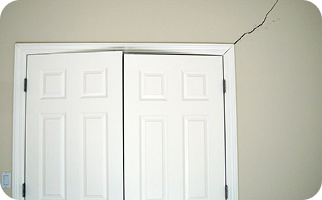
Typical drywall cracks during foundation settlement are commonly located at the corners of doors and windows and along drywall seams. Drywall tape can also be a good indicator, especially if it’s ripping or coming loose. Drywall cracks can also be a sign of sinking crawl space supports, sinking floors, and heaving floors.
Foundation Wall Cracks
The Problem:
You’ve noticed cracks in your foundation walls.
Telltale Signs:
- Horizontal Or Vertical Wall Cracks
- “Stair-Step” Or Diagonal Cracking
- Bulging, Buckling Foundation Walls
- Pushing In At The Bottom Of The Wall
- Sliding In At The Top Of The Wall
Cracks form in foundation walls for three main reasons:
Expansive Soils
If you have clay soils around your home, they can expand and contract significantly as they become wet.
Wet clay soils can expand enough to put literally thousands of pounds of pressure on a foundation wall. This can force the walls inwards, sometimes causing them to buckle and crack. Look also for walls pushing in at the bottom or tilting in at the top.
If left unrepaired, this kind of damage can worsen until the wall fails completely or is beyond repair. By addressing the problem of failing walls quickly, repairs can be completed in as little as a day.
Foundation Settlement
When the soils underneath your foundation fail to support the weight of your home, the foundation will begin to settle unevenly, and cracks will appear.
As vertical cracks form and the wall or corner of the house begins to rotate, you will typically see cracks that are wider at the top or bottom.
Foundation cracks that are caused by settlement are very serious, and they will only get worse over time as the home continues to move. If you are concerned that your foundation may be cracking due to settlement issues, it’s best to consult a professional right away.
Curing Concrete
As concrete cures, it is common for small cracks to appear in foundation walls. These cracks are very common, and they’re not a sign of a major foundation problem.
Shrinkage cracks tend to be very small “hairline” cracks that are usually 1/16″ wide or less. They generally occur near the center of a span and maintain a consistent width for the length of the crack.
A Word Of Warning: Be careful not to assume that a crack in your foundation is merely a shrinkage crack! If you see cracks in your foundation walls, monitor them regularly. If the cracks widen enough that you can fit a dime in them, or one end of the crack grows wider than the other, you should consult a foundation contractor right away.
Sticking Windows & Doors
The Problem:
You’ve noticed cracks in your foundation walls or your foundation walls are bowing, buckling or are showing signs of inward movement.
Telltale Signs:
- Horizontal Or Vertical Wall Cracks
- “Stair-Step” Or Diagonal Cracking
- Bulging, Buckling Foundation Walls
- Bulging, Buckling Foundation Walls
- Pushing In At The Bottom Of The Wall
- Sliding In At The Top Of The Wall
What Causes Windows And Doors To Stick Or Jam?
Cracks that extend along window and door openings can be a symptom of a much larger foundation settlement issue. If ignored, it’s possible that the foundation problem that caused these cracks will get worse, potentially leading to more severe damage to your home.
Window and door cracks that are connected to foundation problems have two common sources:
Settling Foundations
Because of varying soil characteristics, foundation settlement is never uniform. Uneven settlement causes sections of a foundation or slab to crack and shift, while other sections remain in their original positions.
While foundations and slabs crack due to soil settlement, the wood framing supported above is more likely to bend or twist. This results in skewed openings for windows — and doors and floors that dip.
The drywall fastened to wood framing is not as flexible, so it’s more likely to crack — especially at the corners of window and doors. When a house has a brick or stone exterior, a settled foundation is likely to have cracks in these upper masonry surfaces due to a lack of flexibility
Sinking Crawl Space Supports
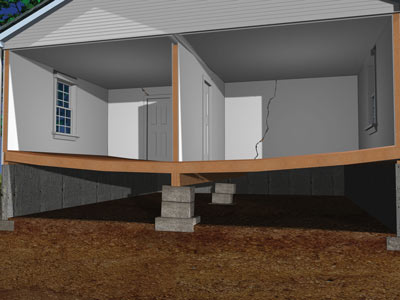
Crawl spaces are often poorly designed, with too few support columns, rotting floor joists and girders, and weak supporting soils causing the supports to sink.
As the crawl space structure sinks, the floor that it supports will sink as well, creating uneven surfaces underfoot. And as the floor sinks, it will pull the interior walls that are attached to it downwards.
As the walls sink, they pull apart, leaving cracks in your interior walls. And as the home warps, doors inside the home will jam and become difficult to open or shut.

Tilting Chimney
The Problem:
You’ve noticed cracks in your foundation walls.
Telltale Signs:
- Horizontal Or Vertical Wall Cracks
- “Stair-Step” Or Diagonal Cracking
- Bulging, Buckling Foundation Walls
- Pushing In At The Bottom Of The Wall
- Sliding In At The Top Of The Wall
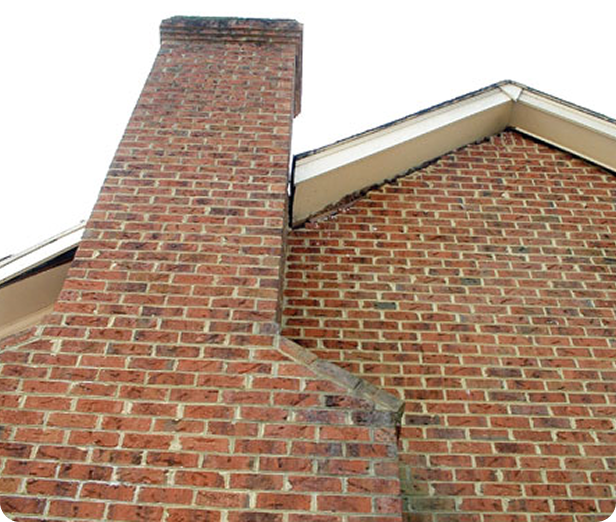
One of the most shocking and dramatic signs of settlement is a chimney separating away from the rest of the home. A professional foundation contractor will be able to assess the damage and identify the cause and extent of the problem. Because this is often one symptom of a potentially serious foundation issue, we recommend checking the rest of the house for problems as well.
A Word Of Warning: filling in the void between your house and chimney is not the answer! Many homeowners will have the void filled with masonry, foam, caulk, or some other material. This is a temporary fix only — and it’ll have to be removed when the real repair is done.
Why Do Chimneys Lean?
Chimneys will sometimes fail when they have a missing or nadequate chimney footing. When this occurs, your chimney has not been designed with the proper structural support, and it must fail over time.
However, chimneys experience tilting problems most commonly when the structure has been built on poor supporting soils. If the soils supporting your chimney are not sufficient to hold its weight, the chimney may begin to sink, causing it to separate from the rest of the home and tilt outward.
If this is the case, it’s possible that the soils underneath the rest of your home are also unable to hold the structural weight of your home. A foundation expert should be consulted to see if other issues with your foundation are present.
Bowing Walls
Bowing basement walls occur when outside pressure pushes the wall inward over time. The most common cause is expansive soil that swells when it becomes saturated with water. Poor drainage, heavy rainfall, snowmelt, and freeze-thaw cycles can all increase the pressure against foundation walls, causing them to crack, lean, or bow inward. If left unaddressed, bowing walls can worsen and lead to significant structural concerns.
Shifting Walls
Shifting foundation walls occur when the foundation moves due to changes in the soil beneath or around the home. Causes may include soil settlement, erosion from water intrusion, poor compaction during construction, or seasonal moisture fluctuations. As the soil moves, foundation walls can crack, tilt, or separate from adjoining structures. Early intervention can help prevent additional movement and protect the home’s structural integrity.
Thumbs Up forIntegrity



Cracked & Uneven Floors
The Problem:
Your concrete slab floor may be sinking, sagging, or settling, causing cracking, significantly out-of-level floors, or gaps where the walls are separating from the floor below or the ceiling above.
Telltale Signs:
- Cracks in the concrete floor.
- Floors dropping or separating from the walls, creating gaps between the floor and wall.
- Interior walls separating from the ceiling, creating gaps between the wall and ceiling.
- Walls pulling away from adjacent walls.
- Interior wall cracks, often starting at the corners of interior doors.
- Sinking or heaving concrete slabs.
- Floors that sag toward the center of the house.
- Interior doors that jam.
- Mold and rot in the crawl space.
Causes For Uneven Floors
Uneven floors are rarely caused by problems with the floor system itself. Instead, it’s often a settling or shifting foundation issue that has impacted the floor system.
Floor beams and joists are made from wood that will usually bend or flex rather than crack or break. The same can’t be said for masonry foundations. When soil issues cause a foundation to break, the floors above usually bend.
Floors Above Crawl Spaces
The floor joists above a typical crawl space are supported by the perimeter walls of the crawl space foundation, and by a post or column-and-beam framework that extends down the center of the crawl space
Although the perimeter walls of a crawl space can settle or shift to cause floor problems above, it’s more common for the center support system to settle or sag because it wasn’t properly built in the first place.
A center post-and-beam support system can also weaken and settle because moisture in a dirt-floored crawl space has caused wood supports to rot and collapse. As crawl space structures begin to sag, the floor above will sag in turn.
Other symptoms of a sagging crawl space include interior wall cracks, jamming doors, and gaps between walls or doors and the floor underneath them.
Settling, Sinking Concrete Floors
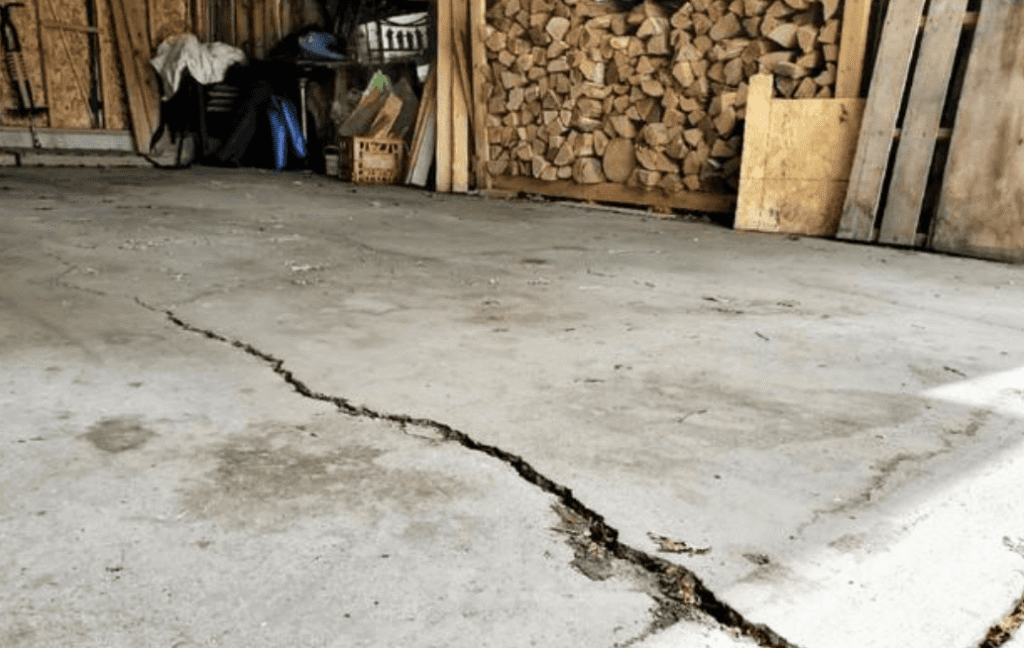
Since masonry is more likely to break than bend, concrete floors that are uneven are generally cracked and/or broken as well.
If your foundation is settling, it may be lifting the concrete floor as the rest of the foundation experiences movement.
There are also times where the slab floor can lift or sink independently of the walls. Concrete slab floors crack and settle when the soils underneath them shrink, settle or wash away.
Likewise, a concrete slab will lift, or “heave”, when the soils underneath expand.
A concrete slab can move independently of adjacent foundation walls, or along with them. Since settlement isn’t uniform, one section of a slab may be elevated as another section sinks down.
Sagging Crawl Space
The Problem:
Your crawl space is experiencing structural problems that are causing it to sink or sag in the middle.
Telltale Signs:
- Tilting or sinking crawl space supports
- Moist, rotting wood
- Sagging, sloping, or uneven floors upstairs
- Cracks in interior drywall
- Door & window frames skewed and/or unlevel
Rot-Weakened Floor Joists/Girders
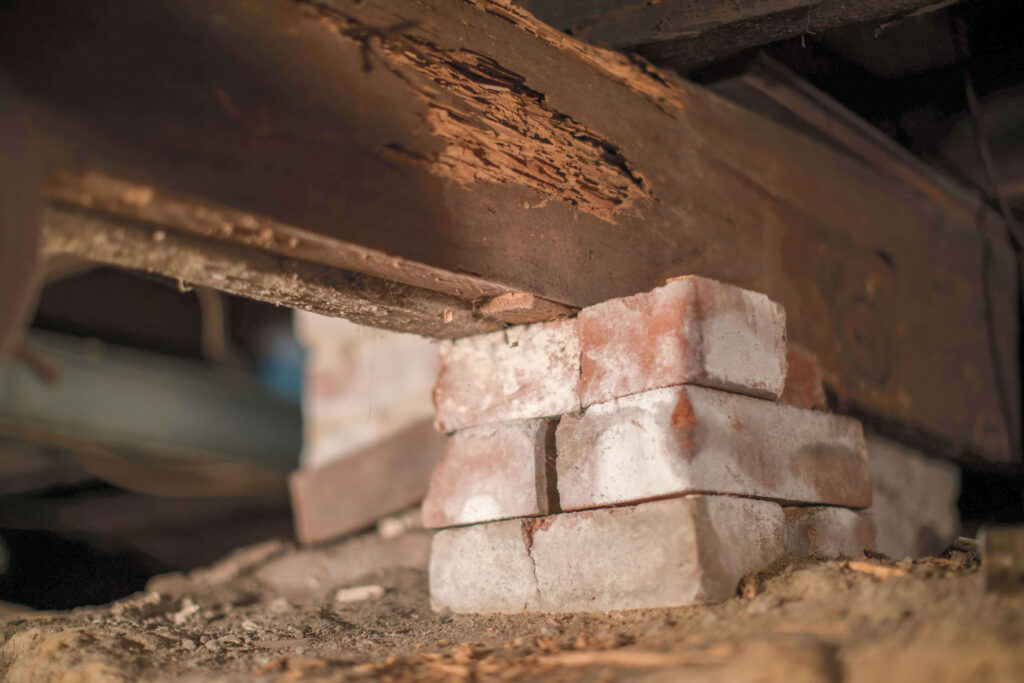
Because crawl spaces are often not sealed from the earth around them, excess moisture and humidity is a common problem. This moisture creates an environment where mold and rot can thrive, damaging the wood structure of your home.
The weakened girders and floor joists will be unable to continue to support the weight above. In time, the floor above the crawl space will become bouncy, soft, and will. In some extreme cases, the floor may even collapse.
Support Columns Spaced Too Far Apart
When a crawl space is built, columns made of block, brick, and even wood are located throughout the crawl space. These columns are designed to support the weight of the home above.
If these columns are spaced too far apart from each other, the beams and girders may be overloaded with weight, causing them to sag between the columns. When the girder sags, so does the floor above it.
Foundation Repair
Homeowner Reviews
your neighbors are talking about us…
DBS Repair has been repairing foundations across
Minnesota and Wisconsin, from Duluth to Eau Claire,
for nearly 15 years! See what your neighbors have
been saying about DBS Repair’s
foundation repair services in their homes.


Find Your Service Area
Enter your ZIP code to see which service page is right for your area.


