WINTER FOUNDATION GUIDE
CAN FOUNDATION REPAIR BE DONE IN WINTER?
Yes, some foundation repairs can be completed in cold weather. Learn which repairs may be possible, what frozen ground changes, and when to schedule a professional inspection.
Repair timing depends on the foundation problem, site access, installation requirements, and safety.
THE SHORT ANSWER
YES, FOUNDATION REPAIR CAN BE POSSIBLE IN WINTER
Yes. Some foundation repairs can be performed in winter in Minnesota and Wisconsin. Frozen ground does not automatically stop foundation work. The repair method, site access, soil conditions, material requirements, and crew safety determine whether installation can proceed.
A DBS Repair Design Specialist can inspect cracks, bowing walls, or settlement concerns during the colder months and explain whether repair should happen now or be scheduled for more suitable conditions.
01
Inspection comes first
The cause of movement matters more than the calendar. An assessment helps identify the problem and suitable repair options.
02
Installation depends on conditions
Interior access may be simpler than excavation in frozen soil, but every repair requires a site-specific decision.
THE WINTER REPAIR QUESTION
Which foundation repairs may be possible during winter?
There is no single winter rule for all foundation systems. These are examples of how repair requirements can differ.
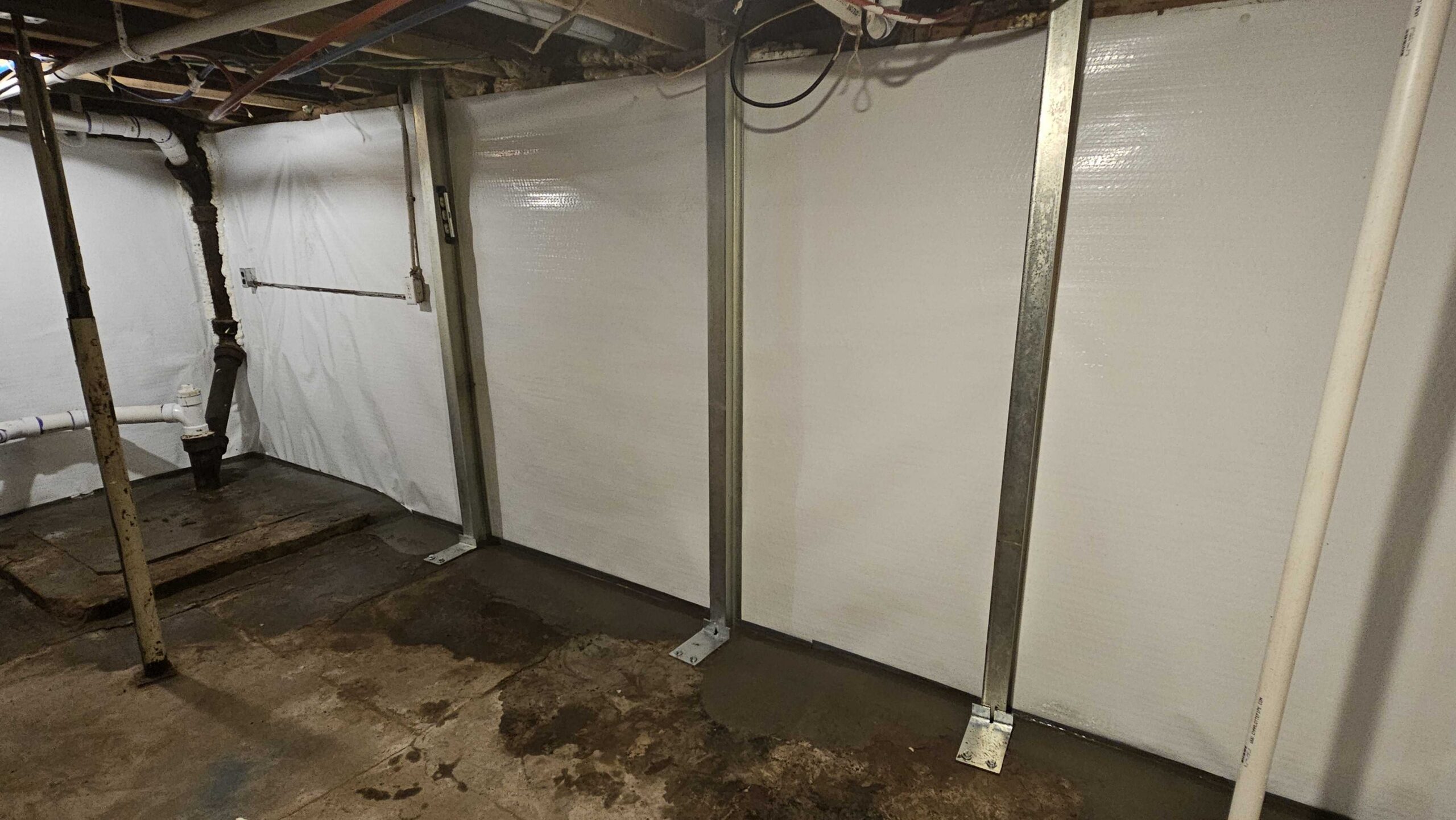
Wall stabilization
Certain interior wall-stabilization projects may be less dependent on exterior excavation. The condition of the wall and system installation requirements still control scheduling.
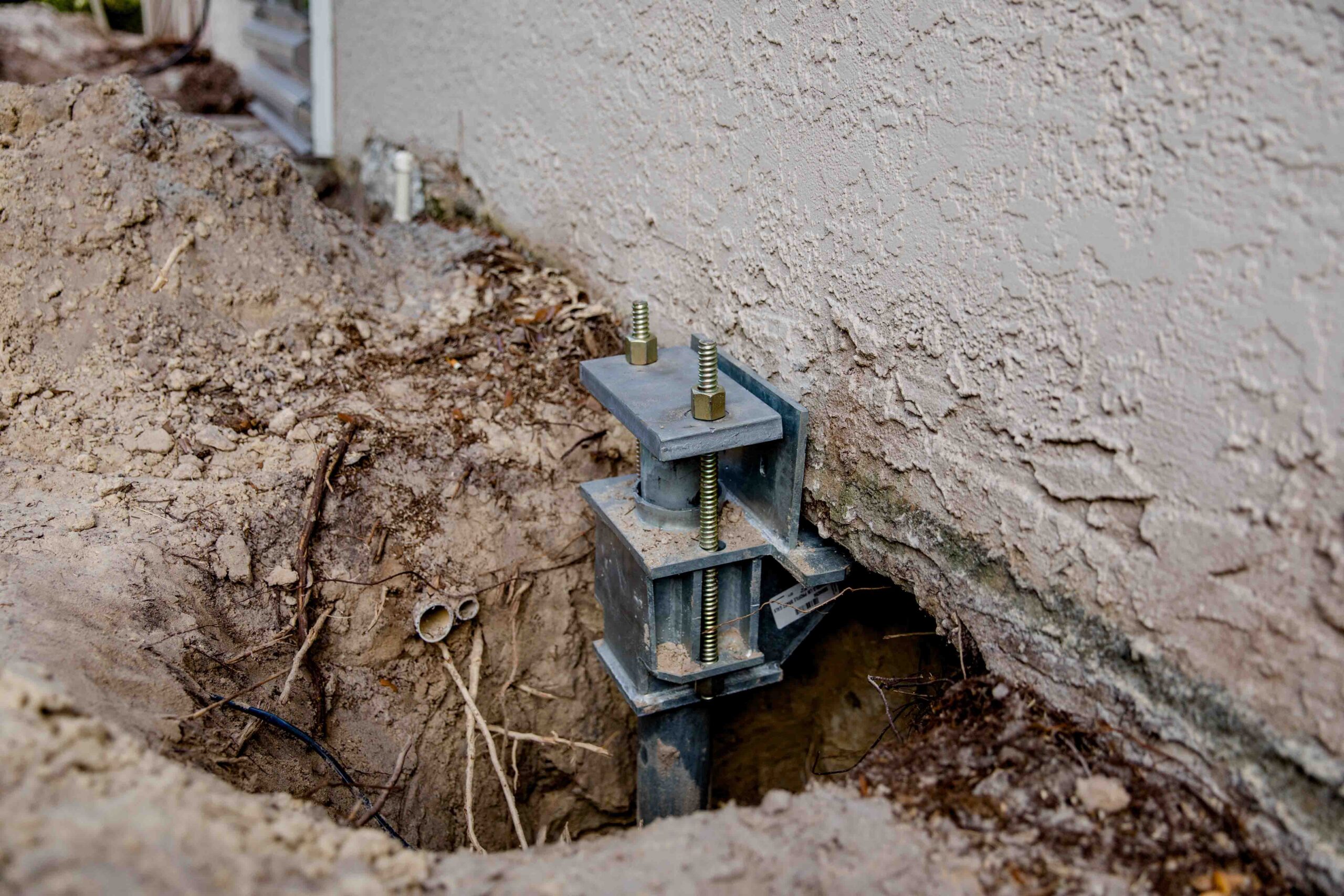
Pier and settlement repairs
Pier installations may require equipment access, excavation, and workable soil conditions. Frozen ground can affect timing and site preparation.
Learn about foundation warning signs and the pier systems DBS uses for settlement concerns.
REAL DBS PROJECT | ELY, MINNESOTA
Foundation support completed in winter conditions
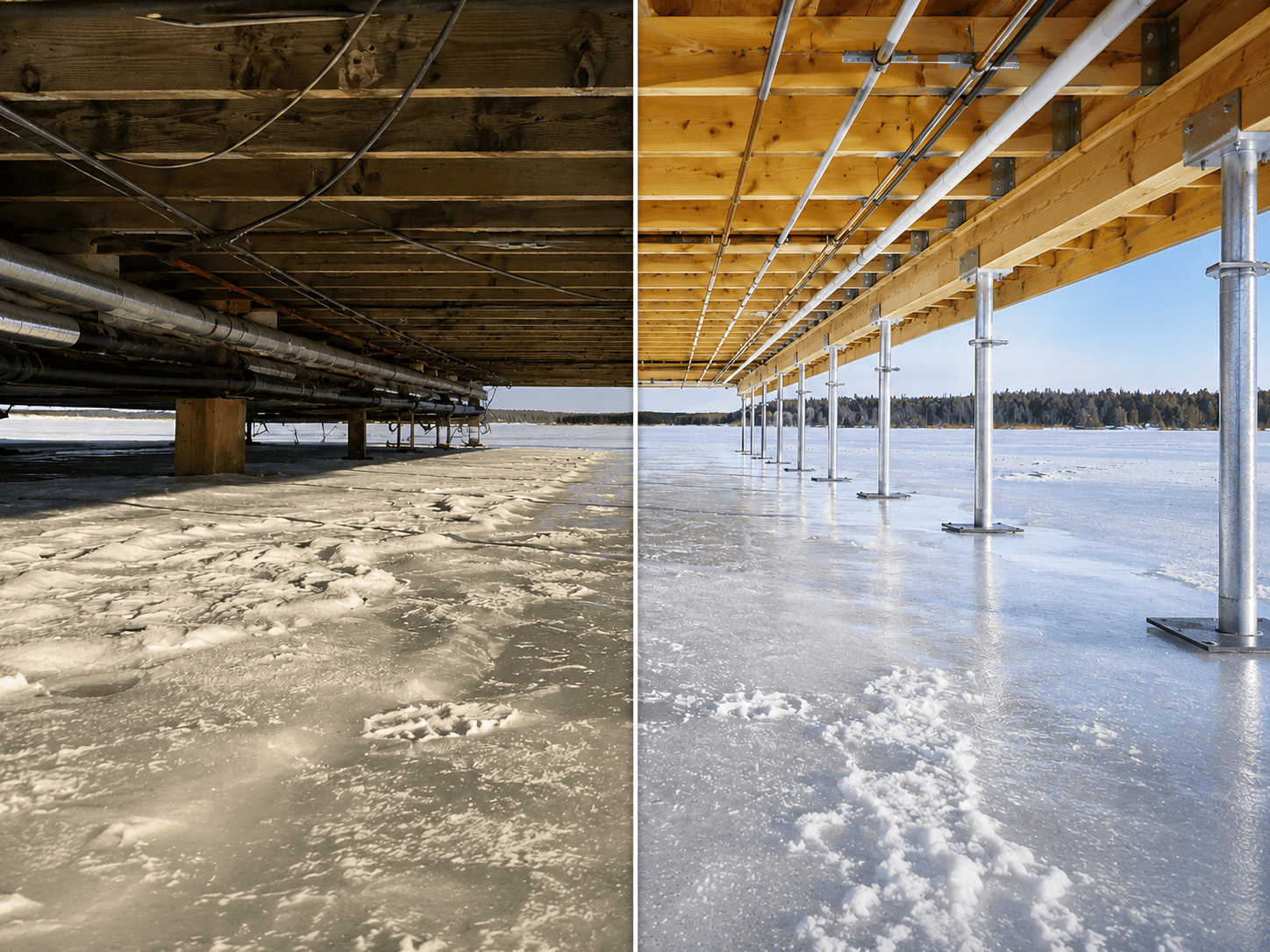
DBS Repair documents a lakeside foundation support project in Ely, MN, involving challenging winter conditions and specialized planning. This real project demonstrates that cold-weather foundation work can be possible when the system and site allow it.
It does not mean every winter repair can be installed on the same schedule.
BEFORE YOU WAIT UNTIL SPRING
Four signs your foundation deserves attention now
01
New or widening cracks
Track changes in crack width, direction, and location. A crack alone cannot establish the cause.
02
Bowing basement walls
A wall that bulges or leans inward may be responding to lateral pressure and should be evaluated.
03
Sticking doors or sloping floors
New alignment problems can accompany structural movement, although other causes are possible.
04
Water entering near cracks
Winter thaws and spring snowmelt may expose moisture pathways; waterproofing and structural issues require different assessments.
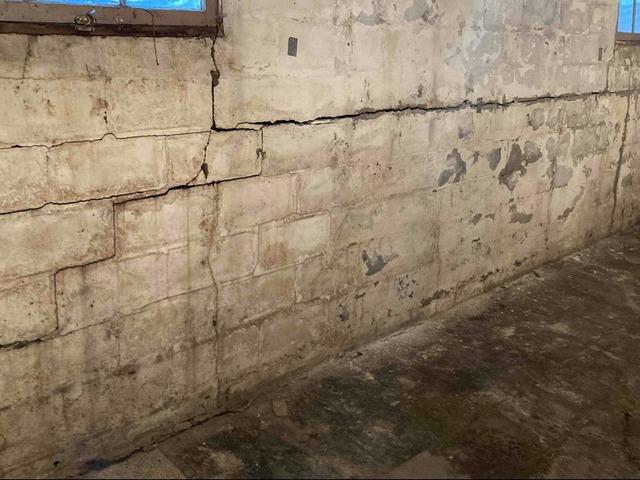
What to document
Photograph the same crack or wall area over time, note any changes, and record when sticking doors, water entry, or uneven floors first appeared.
For visible movement, active leakage, or rapid changes, contact a qualified professional promptly. If collapse seems possible, stay clear of the affected area.
THE PRACTICAL DECISION
Should you wait until spring to schedule an inspection?
No, not simply because it is winter. An inspection can clarify whether the condition requires prompt attention, what repair options are suitable, and whether winter installation is feasible. Waiting for warmer weather without understanding the issue may leave a developing problem unassessed.
A winter assessment is not a guarantee of immediate installation. DBS can explain scheduling and next steps based on your property.
QUICK ANSWERS FOR HOMEOWNERS
Winter foundation repair: frequently asked questions
Can foundation repair be done in freezing temperatures?
Sometimes. Certain repairs can proceed in cold weather, while excavation, material specifications, access, and safety can limit others.
Does frozen soil prevent foundation repair?
Not always. Frozen soil can complicate excavation and equipment access, but feasibility depends on the repair system and actual site conditions.
Can a foundation be inspected in winter?
Often, yes. A professional can review visible cracks, wall movement, and other symptoms, although snow and frozen ground may limit parts of an inspection.
Does frost heave mean my foundation needs repair?
Not necessarily. Frost heave is one possible contributor to movement. Settlement, drainage, and soil pressure can also be involved; diagnosis comes first.
Will DBS Repair complete every type of repair in winter?
No universal promise applies. DBS evaluates the foundation problem and installation conditions before recommending timing.