WINTER HOME PROTECTION GUIDE
ICE DAMS AND ATTIC INSULATION: WHAT HOMEOWNERS SHOULD KNOW
Ice dams can leave thick ice along your roof edge and lead to water damage. Learn how attic heat loss contributes to ice dams, why air sealing matters, and how DBS Repair approaches prevention in Minnesota and Wisconsin.
The right solution depends on attic conditions, insulation coverage, air leaks, and roof ventilation.
THE SHORT ANSWER
CAN ATTIC INSULATION HELP PREVENT ICE DAMS?
Yes. Improving attic insulation and sealing air leaks can reduce the heat loss that contributes to ice dams. When warm indoor air reaches the roof deck, it can melt snow even when outdoor temperatures are below freezing. Meltwater can then refreeze at the colder eaves.
Insulation alone may not solve the problem. DBS evaluates air leakage, insulation coverage, attic ducts, and ventilation to recommend an approach suited to the home. Explore DBS ice dam prevention services.
01
HEAT ESCAPES
Gaps around attic hatches, lights, and penetrations can allow warm indoor air into the attic.
02
SNOW MELTS
A warmed roof deck can melt snow higher on the roof while the eaves remain cold.
03
WATER REFREEZES
Meltwater can freeze along the roof edge, forming a ridge that may trap additional water.
WHAT IS HAPPENING ON YOUR ROOF
WHY ICE DAMS FORM IN WINTER

Ice dams develop when temperatures vary across the roof surface. The diagram helps explain why the roof edge can remain frozen while snow melts farther upslope.
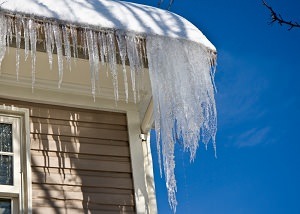
Heavy icicles, thick ice near gutters, or water staining inside the home are reasons to investigate. They do not, by themselves, identify which attic condition is responsible.
THE INSULATION CONNECTION
AIR SEAL FIRST, THEN INSULATE
Air sealing addresses the openings that allow conditioned air to escape into the attic. Insulation slows heat transfer through the ceiling assembly. Together, they help keep the attic closer to outdoor conditions and can improve indoor comfort.
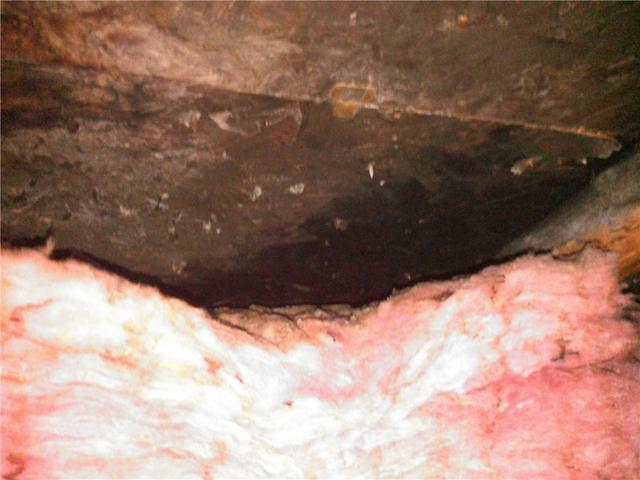
SEAL AIR LEAKS
A professional can assess accessible gaps around penetrations and attic access points, with attention to fire and ventilation requirements.
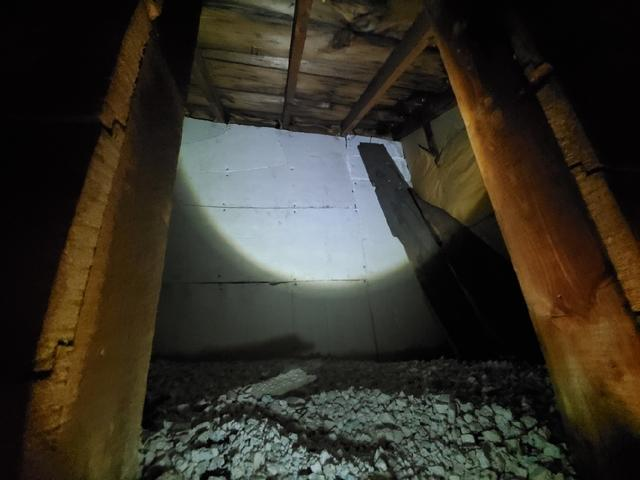
RESTORE INSULATION COVERAGE
Once air leakage is addressed, the insulation strategy can be selected based on attic construction and the target thermal performance.
Learn more about air sealing and insulation options by area of the home.
REAL DBS PROJECT | CLOQUET, MINNESOTA
HOW DBS ADDRESSED RECURRING ICE DAMS
A homeowner in Cloquet contacted DBS after experiencing recurring ice dams. The project included removing existing fiberglass batt insulation, addressing air leakage, and upgrading attic insulation as part of a tailored plan. This is an example of a home-specific solution, not a guarantee that every roof needs the same work.
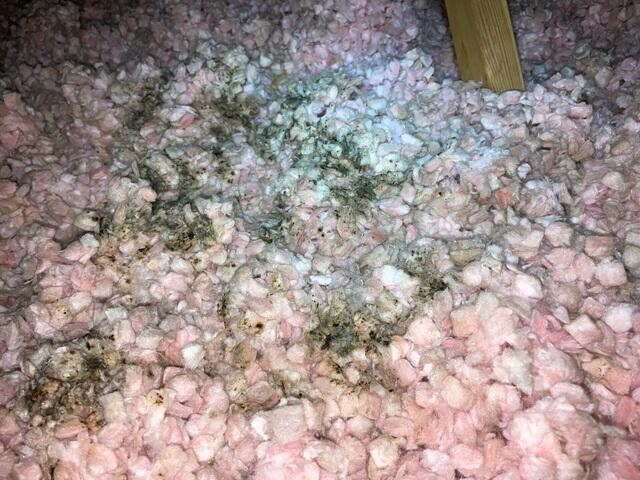
Older insulation can have gaps, inconsistent coverage, or concealed air leakage. An inspection helps distinguish the actual issues.
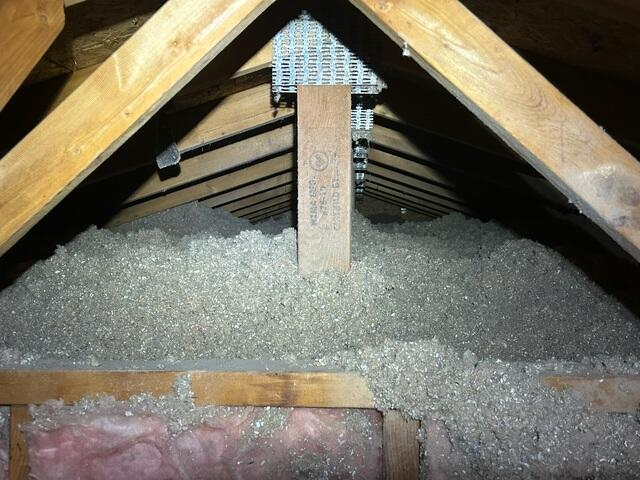
The appropriate insulation method depends on the attic and the work needed. These images illustrate insulation conditions and are not presented as a matched before and after of the Cloquet project.
Find Where Your Home Is Losing Comfort and Energy
DBS Repair provides home insulation solutions throughout Minnesota and Wisconsin, including Duluth, Minneapolis, Eau Claire, Maple Grove, Saint Cloud, and Eden Prairie. A free inspection helps identify the attic, crawl space, floor, wall, basement, and air-leak areas that should be prioritized for better comfort and efficiency.
SIGNS TO CHECK BEFORE THE NEXT SNOWFALL
FOUR CLUES YOUR ATTIC NEEDS A CLOSER LOOK
01
LARGE ICICLES
Repeated thick icicles along eaves can indicate conditions that deserve investigation.
02
CEILING STAINS
Discoloration near exterior walls or ceilings may indicate water intrusion and should be assessed.
03
UNEVEN SNOW MELT
Roof areas that lose snow sooner than others may suggest uneven heat flow.
04
DRAFTS AND HIGH BILLS
Cold upper rooms and unexpectedly high heating demand can point to insulation or air leakage concerns.
For more symptoms and possible causes, see DBS home insulation problems.
WHAT TO DO NEXT
WHAT HOMEOWNERS SHOULD DO ABOUT AN ICE DAM
Avoid climbing onto an icy roof or chipping ice from shingles. If water is entering the home, protect the interior where it is safe to do so and contact an appropriate qualified professional. Ice dam removal and roof leak repair may require a roofing specialist; attic insulation work addresses contributing heat loss rather than serving as an emergency roof repair.
For a longer-term plan, DBS can inspect accessible attic conditions and explain whether air sealing, duct improvements, or attic insulation should be considered. Review DBS home insulation solutions.
See the Hidden Benefits of Basement Insulation
See how basement insulation can help reduce cold surfaces, drafts, and heat loss while creating a more comfortable lower level of the home.
▶ Watch on YouTube
QUICK ANSWERS FOR HOMEOWNERS
ICE DAMS AND ATTIC INSULATION: FREQUENTLY ASKED QUESTIONS
Can attic insulation prevent ice dams?
Proper insulation and air sealing can reduce heat loss that contributes to ice dams, but roof ventilation, attic ducts, weather, and other conditions also matter.
Why do ice dams form even when it is freezing outside?
Heat escaping into an attic can warm part of the roof enough to melt snow. That water may refreeze at colder eaves.
Should I add insulation without air sealing?
Air sealing should be evaluated first because added insulation does not close openings that let warm air leak into the attic.
Are large icicles always a sign of poor insulation?
No. Icicles can have several causes. Repeated ice buildup, uneven snow melt, or interior water stains justify a closer assessment.
Can DBS Repair inspect my attic for ice dam causes?
DBS offers insulation and ice dam prevention assessments in its Minnesota and Wisconsin service areas. Recommendations depend on the property and inspection findings.