FOUNDATION REPAIR | HOMEOWNER GUIDE
HORIZONTAL VS. VERTICAL FOUNDATION CRACKS
Cracks in a foundation wall can reveal important clues about soil pressure, settlement, and moisture. Learn which warning signs deserve attention and how DBS Repair approaches foundation problems in Minnesota and Wisconsin.
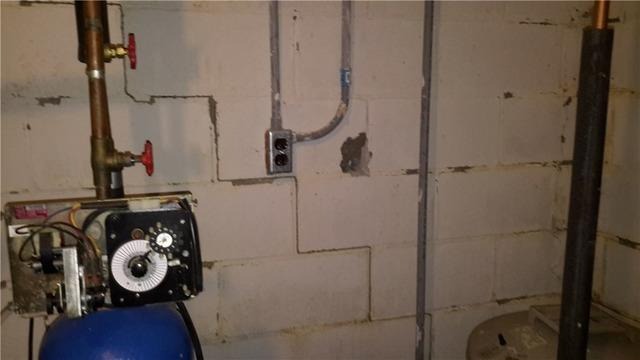
UNDERSTANDING THE WARNING SIGNS
What Do Foundation Cracks Tell You?
When homeowners notice cracks in their basement or foundation walls, the first question is often whether the damage is cosmetic or structural. Understanding Horizontal vs. Vertical Foundation Cracks can help identify possible causes and determine when professional attention is needed.
Some foundation cracks form naturally as concrete cures. Others develop when soil pressure, moisture, or uneven settlement causes the foundation to move.
The direction of a crack is only one clue. Its width, location, progression, and accompanying symptoms also matter. DBS Repair evaluates these conditions when helping homeowners with foundation repair problems.
KNOW THE DIFFERENCE
Horizontal vs. Vertical Foundation Cracks | A Side-by-Side Comparison
Comparing Horizontal vs. Vertical Foundation Cracks helps homeowners understand why some cracks may be related to wall pressure while others may result from shrinkage or settlement. Neither pattern should be diagnosed by appearance alone.
CRACK TYPE 01
Horizontal Foundation Cracks
━━━━━━━━
Cracks extending across a wall
Possible causes: Lateral soil pressure, changing moisture levels, and foundation wall movement.
Common warning signs:
- Bowing or bulging walls
- Horizontal cracks becoming wider
- Wall sections shifting inward
- Moisture entering through the wall
Why it matters: Horizontal cracks combined with bowing can indicate that the wall is experiencing excessive pressure and may require stabilization.
CRACK TYPE 02
Vertical Foundation Cracks
│
Cracks extending up and down a wall
Possible causes: Concrete curing and shrinkage, foundation settlement, or differential movement.
Common warning signs:
- Cracks widening over time
- Uneven or displaced crack edges
- Water intrusion
- Additional cracking near openings
Why it matters: Some narrow, stable vertical cracks are nonstructural, but widening or displaced cracks can indicate movement requiring professional attention.
WHAT CAUSES WALL MOVEMENT?
Why Horizontal Foundation Cracks Develop
One of the most important differences in Horizontal vs. Vertical Foundation Cracks is how outside forces affect the foundation wall.
Horizontal cracking can develop when surrounding soil exerts lateral pressure against a basement wall. Saturated soil, drainage problems, and changing seasonal conditions may contribute to this pressure.
In Minnesota and Wisconsin, heavy rain, snowmelt, and freeze-thaw cycles can change the moisture conditions around foundations. When the wall cannot adequately resist the forces acting on it, cracking or inward movement may occur.
DBS Repair offers foundation wall anchor systems for qualifying bowing-wall conditions. The correct solution depends on the wall’s construction and the underlying cause of movement.
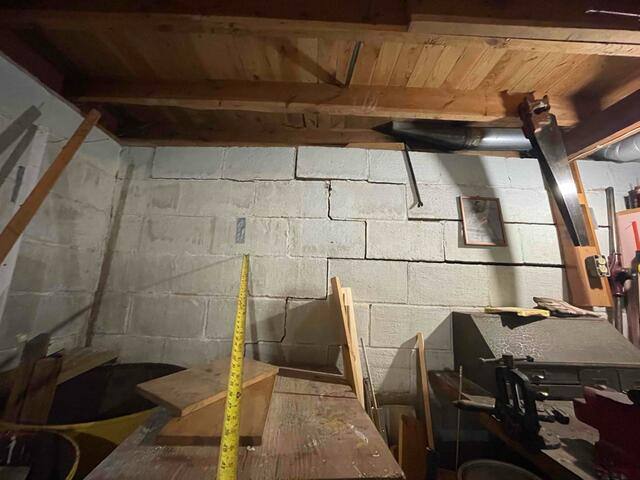

MATCH THE REPAIR TO THE CAUSE
How DBS Repair Approaches Foundation Crack Repair
Understanding Horizontal vs. Vertical Foundation Cracks is the first step. Selecting the correct repair requires identifying whether the underlying problem involves wall pressure, settlement, water intrusion, or nonstructural concrete shrinkage.
Bowing Walls | Wall Stabilization
For foundation walls experiencing lateral pressure and inward movement, DBS Repair may recommend wall anchor systems or another appropriate wall stabilization solution.
Foundation Settlement | Pier Systems
When weak supporting soil causes foundation settlement, foundation pier systems may be used to transfer structural loads to more dependable bearing material.
Leaking Cracks | Moisture Management
Some stable cracks require water-intrusion repairs rather than structural stabilization. DBS Repair also provides basement crack repair solutions for appropriate conditions.
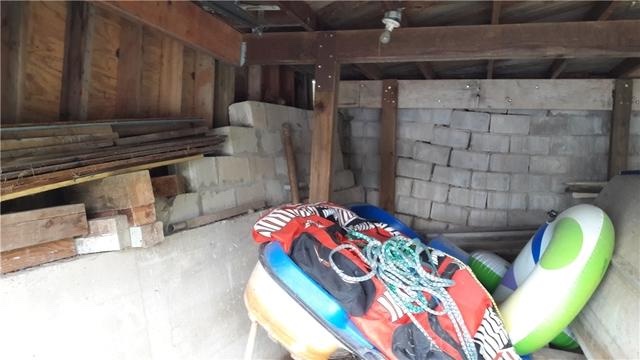
COMMON HOMEOWNER QUESTIONS
Horizontal vs. Vertical Foundation Cracks
Are horizontal foundation cracks more serious than vertical cracks?
Horizontal cracks can be associated with pressure on a foundation wall, particularly when the wall is bowing inward. Vertical cracks may result from shrinkage or settlement. When comparing Horizontal vs. Vertical Foundation Cracks, the presence of displacement, ongoing movement, or water intrusion is often more important than the direction alone.
When should I worry about foundation cracks?
Request a professional inspection when cracks widen, become displaced, or appear alongside bowing walls, sticking doors, uneven floors, or recurring leaks. Sudden or substantial structural movement warrants urgent assessment.
Are vertical foundation cracks normal?
Some narrow vertical cracks develop as concrete cures and remain stable. Others can be associated with foundation settlement. Changes in crack width, alignment, or moisture conditions should not be ignored.
What do stair-step foundation cracks indicate?
Stair-step cracks follow mortar joints in block or masonry foundations. They can occur when different portions of a foundation move or when lateral pressure affects the wall.
Can foundation cracks be repaired without replacing the foundation?
Many foundation problems can be addressed using targeted stabilization, settlement repair, or crack-waterproofing solutions. The correct approach depends on the structure and the cause of damage.
PROTECT YOUR FOUNDATION
Know When to Schedule a Foundation Inspection
Learning about Horizontal vs. Vertical Foundation Cracks can help homeowners recognize potential warning signs, but an on-site evaluation is needed to identify the cause of a particular crack.
DBS Repair helps homeowners throughout Minnesota and Wisconsin evaluate foundation damage and understand available repair options. If you have noticed widening cracks, bowing walls, or other changes, schedule a free inspection to discuss the next steps.
For homeowners comparing Horizontal vs. Vertical Foundation Cracks, the goal is not simply to cover the visible opening. It is to understand whether the foundation is stable and address the underlying issue when repair is necessary.
WHAT HOMEOWNERS SAY
DBS Repair | Foundation Repair Reviews
See feedback from homeowners in Minnesota and Wisconsin who have worked with DBS Repair on foundation-related concerns.
[rbr_collection id=619]

Foundation Repair & Stabilization
We guarantee that our work and the products we install will stabilize the affected area against further settlement for 75 years from the installation date. If not, TerraFirma will provide the necessary labor and materials to correct the problem at no cost to you.
Our 75-year warranty covers these installations:
- Foundation Piers
- GeoLock Wall Anchor
- PowerBraces
- CarbonArmor
- SmartJacks*

