SEASONAL BASEMENT WATER GUIDE
WHY FROZEN SOIL LEADS TO SPRING BASEMENT WATER
Frozen ground can limit where melting snow and rainwater soak into the soil. As the spring thaw begins, water may collect around your foundation and find its way into the basement. Learn what changes underground and how to prepare your Minnesota or Wisconsin home.
Water entry depends on drainage, soil conditions, foundation openings, and the rate of snowmelt.
THE SHORT ANSWER
WHY DOES A BASEMENT LEAK WHEN THE GROUND THAWS?
Frozen soil can slow infiltration, while melting snow and spring rain add water around the foundation. When the upper soil thaws but deeper layers remain frozen or saturated, water may travel along the surface or collect beside basement walls. Existing cracks, wall and floor joints, and drainage weaknesses can become entry points.
Frozen ground alone does not cause every leak. Grading, gutters, groundwater levels, foundation condition, and sump performance also matter. The key is understanding how water moves around your particular home.
See our Waterproofing System!
THE SEASONAL CHAIN REACTION
FROM FROZEN GROUND TO A WET BASEMENT
01
Winter freezes the soil
Frozen or compacted surface layers can temporarily limit how quickly water enters the ground.
02
Snow and ice begin melting
A quick thaw or rain on snow releases water faster than some yards can absorb or drain it.
03
Water gathers near the foundation
Runoff may pool beside basement walls, especially where grading or drainage is inadequate.
04
Moisture finds an entry point
Water may seep through cracks, porous masonry, windows, or the joint between a basement wall and floor.
This is why a basement that stayed dry all winter can suddenly show moisture during the first major spring thaw.
READ THE WARNING SIGNS
WHAT SPRING BASEMENT WATER CAN LOOK LIKE
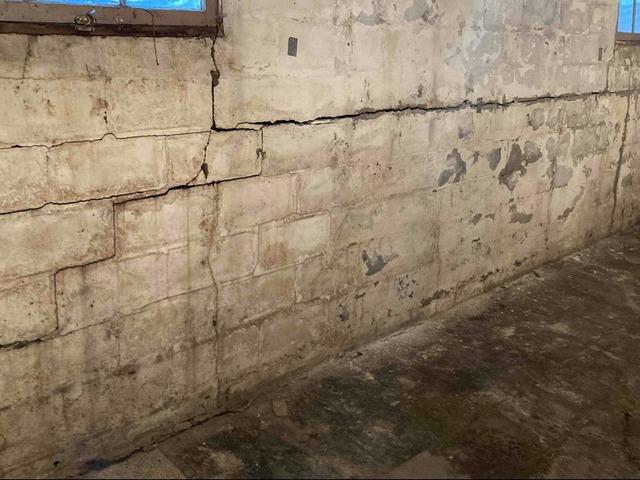
Look beyond a single puddle
Watch for damp wall edges, wet floors, musty odors, white mineral deposits, water near basement windows, and a sump pump that runs repeatedly.
Water at the wall and floor joint often points to groundwater management concerns. A visible wall crack may need a different assessment than water arriving through a window or plumbing failure.
Explore common basement flooding entry points and why the source matters.
BEFORE THE THAW
FIVE PRACTICAL CHECKS FOR HOMEOWNERS
Check downspouts and grading
Keep meltwater directed away from the foundation where safe and practical.
Look at basement walls and floors
Document new staining, damp spots, cracks, or water along the perimeter.
Review sump pump readiness
Check whether the pump and discharge path are working; do not handle electrical equipment in standing water.
Keep snow away from vulnerable openings
When safe, avoid piling snow against basement windows, window wells, and foundation openings.
Arrange an inspection for recurring seepage
Repeated spring leaks suggest a water-management problem worth diagnosing before another thaw.
HOW DBS APPROACHES THE PROBLEM
MANAGE WATER BEFORE IT SPREADS ACROSS THE FLOOR
DBS Repair evaluates where water enters and how it can be collected and moved away from the home. Depending on the inspection, a plan may involve basement waterproofing, interior drainage, a sump pump, or protection for vulnerable wall areas.
01
Collect incoming groundwater
Interior perimeter drainage can intercept water along basement edges and direct it toward a sump system.
02
Pump water to a safe discharge point
A properly configured sump system moves collected water out of the basement. Winter discharge conditions also need attention.
Learn how seasonal waterproofing strategies address snowmelt, heavy rain, and saturated ground.
A REAL DBS WATERPROOFING EXAMPLE
SPRING THAW WATER IN TWO HARBORS, MINNESOTA
PROJECT
A documented spring thaw challenge
At Two Harbors High School, water intrusion during heavy rain and spring thaw required a tailored drainage and sump solution.
A DBS project at Two Harbors High School documented water intrusion during heavy rain and spring thaw. The team installed drainage and sump systems, along with wall moisture protection, to better manage water in the basement area.
The school project is a commercial example, not a claim that every home needs the same system. A residential plan should be based on the actual entry points and drainage conditions.
QUICK ANSWERS FOR HOMEOWNERS
FROZEN SOIL AND SPRING BASEMENT WATER: FAQS
Can frozen ground cause basement flooding?
Frozen soil can contribute by limiting infiltration and directing meltwater toward the foundation. Flooding also depends on drainage, groundwater, foundation openings, and other conditions.
Why is my basement wet after snow melts?
Snowmelt can saturate soil and raise water pressure around basement walls and floors. Water may enter through cracks, the wall and floor joint, windows, or drainage problems.
Does spring basement seepage mean my foundation is damaged?
Not necessarily. Some leaks result from groundwater or drainage issues without structural damage. An inspection can help distinguish moisture entry from foundation movement.
Can a sump pump help with spring thaw water?
Yes. When paired with appropriate drainage, a sump pump can remove collected groundwater. Pump capacity, maintenance, backup protection, and discharge conditions matter.
Should I wait until the basement floods again?
Recurring dampness or seepage is worth evaluating before the next heavy thaw or rain. If water is near electrical equipment, avoid the area until it is safe.
Trusted Home Repair Experts
Local Experts
Proven Results
Homeowners throughout Minnesota and Wisconsin trust DBS Repair for foundation repair, basement waterproofing, concrete leveling, crawl space repair, insulation, and other proven home repair solutions.
Local experts you can count on.
Trusted by homeowners throughout Minnesota and Wisconsin.
Quality work with lasting protection.
No obligation. Honest answers. Local service.
Rated by Our Customers
See Why Homeowners Choose DBS Repair
Explore DBS Repair’s current customer rating and review activity directly through Birdeye.

