

Why Are There Dirty Lines on My Ceiling? The Real Cause Behind "Ghosting" - And How Insulation Fixes It
If you’ve noticed faint, dirty-looking streaks on your ceiling that line up with the rafters or trusses above, you’re not alone. Many homeowners see these marks and assume they’re caused by leaks or mold.
In reality, those dark lines are usually caused by a phenomenon known as ghosting — a clear sign that your home may need better insulation or ventilation.
Let’s break down what ghosting is, why it happens, and how proper insulation can make it disappear for good.
What Is Ghosting?
Ghosting appears as straight, dusty lines on ceilings or upper walls, often forming a pattern that mirrors the framing behind the drywall.
These lines form on the surface, not from within the ceiling.
Ghosting happens when airborne particles stick to the cooler areas of your ceiling — typically where insulation is lacking or compressed.
Why Ghosting Happens
Ghosting is the result of three main factors working together:
1. Insufficient Insulation Creates Cold Spots
Ceiling joists and rafters conduct cold air more easily than insulated areas. When insulation is thin, missing, or poorly installed, these framing lines become noticeably colder than the surrounding ceiling — creating the perfect place for particles to settle.
2. Warm Indoor Air Rises and Condenses
As warm, moist air rises throughout your home, it hits the coldest areas of the ceiling. When the air cools down, moisture condenses on those spots, leaving a slightly damp surface. This moisture works like an adhesive, attracting dust, soot, and other airborne particles.
3. Everyday Airborne Particles Stick to the Cold Spots
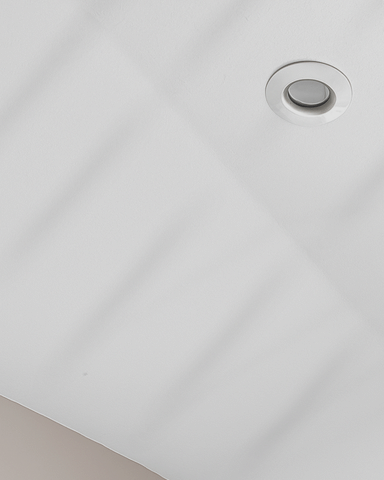
Homes naturally produce particles that contribute to ghosting, including:
- Dust
- Soot from candles or fireplaces
- Oils from cooking
- Dirt from air leaks
- Particles from clogged furnace filters
These particles settle on the damp, cooler areas — creating the visible dark lines known as ghosting.
Is Ghosting Dangerous?
Ghosting itself is not harmful, but it’s a warning sign.
It indicates issues that can lead to:
- Higher heating costs
- Cold rooms and drafts
- Excess indoor moisture
- Potential mold growth in poorly insulated areas
- Reduced comfort during the winter
Painting over ghosting won’t fix the underlying problems.
How Insulation Helps Prevent Ghosting
Improving your insulation eliminates the temperature differences that cause ghosting in the first place.
Upgrading your attic insulation helps:
- Keep ceiling temperatures consistent
- Reduce heat loss and drafts
- Prevent moisture from condensing on framing
- Improve indoor comfort in winter
- Lower energy bills
Air sealing and proper ventilation work alongside insulation to balance airflow and control moisture — giving you a healthier, more efficient home.
What You Should Do If You See Ghosting
If ghosting is appearing on your ceilings, take it as a signal that your home needs attention. A professional insulation inspection can determine:
- Where heat is escaping
- Areas that lack proper insulation
- Whether ventilation or moisture issues are contributing
- The right insulation solution to restore comfort
Ready to Eliminate Ghosting for Good?
DBS Repair can help diagnose the source of ghosting in your home and provide insulation solutions that deliver long-lasting comfort, efficiency, and healthier air.
Schedule your free, no-obligation insulation inspection today.

